

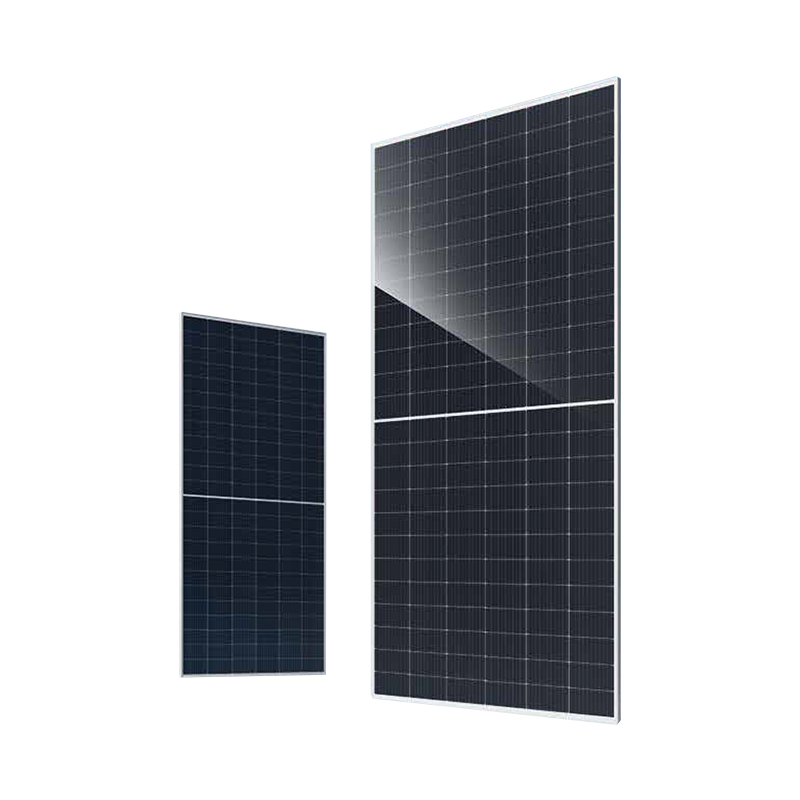
In the global transition toward sustainable energy, one technology has emerged as a prominent symbol of progress and practicality: solar panels. These devices, which convert sunlight directly into electricity through the photovoltaic effect, have moved from niche applications to mainstream adoption, reshaping how societies generate and consume power. The widespread deployment of solar panels is not only a response to environmental concerns but also a reflection of their increasing economic viability and technological maturity.
The core function of solar panels relies on photovoltaic cells, typically made from silicon. When sunlight strikes these cells, it energizes electrons, creating a flow of direct current electricity. Over the decades, advancements in materials and manufacturing have steadily improved the efficiency of solar panels, meaning they can convert a greater portion of sunlight into usable energy. This increase in efficiency, coupled with a significant reduction in production costs, has made solar panels a competitive energy source in many regions, often rivaling or undercutting traditional fossil fuels on price.
The application of solar panels is remarkably diverse, spanning scales from individual households to utility-grade power plants. On rooftops, residential solar panel systems allow homeowners to generate their own electricity, reduce utility bills, and contribute excess power back to the grid. Commercially, businesses install solar panels on warehouses and office buildings to lower operational costs and meet corporate sustainability targets. At the utility scale, vast solar farms comprised of thousands of solar panels feed megawatts of clean power directly into national electricity networks, providing a stable and scalable energy supply.
The integration of solar panels is further enhanced by complementary technologies. Energy storage systems, such as lithium-ion batteries, address the intermittent nature of sunlight by storing excess energy generated during the day for use at night or during cloudy periods. Smart inverters and grid management technologies allow for smoother integration of solar panel output into existing electrical infrastructure, maintaining grid stability even with a high penetration of renewable sources. These developments are crucial for big the utility and reliability of solar panel installations.
Material innovation continues to drive the solar panel industry forward. While traditional crystalline silicon dominates the market, research into next-generation technologies is active. Perovskite solar panels, for example, offer the potential for higher efficiencies and lower production costs, though challenges with long-term stability remain. Bifacial solar panels, which capture light from both sides, can increase energy yield in certain installations. There is also a growing focus on the sustainability of solar panel production and end-of-life recycling, ensuring the technology's environmental benefits are comprehensive.
The future of solar panels is tied to broader trends in electrification and digitalization. Building-integrated photovoltaics, where solar panels are incorporated into roofing materials, windows, or facades, could make energy generation a seamless part of architectural design. The expansion of microgrids in remote or underserved communities often relies on solar panels as a primary power source. Furthermore, the coupling of solar panel arrays with electric vehicle charging infrastructure is creating synergies for a cleaner transportation ecosystem.
Solar panels represent more than just a method of generating electricity; they embody a shift towards decentralized, resilient, and low-carbon energy systems. Their proliferation is a testament to human ingenuity in harnessing a ubiquitous natural resource. As technology advances and adoption grows, solar panels are poised to play an even more central role in powering economies and shaping a sustainable energy landscape for generations to come, proving that the powerful solutions can indeed be fueled by light itself.
Your email address will not be published. Required field are marked*

Call support 24/7 (Whatsapp)
+86 15988592807
Send us Email
[email protected]
Visit our location
Building 1, No. 21 Shengfa Road, Lucheng District, Wenzhou, Zhejiang, China



 中文简体
中文简体  Français
  عربى
عربى 