

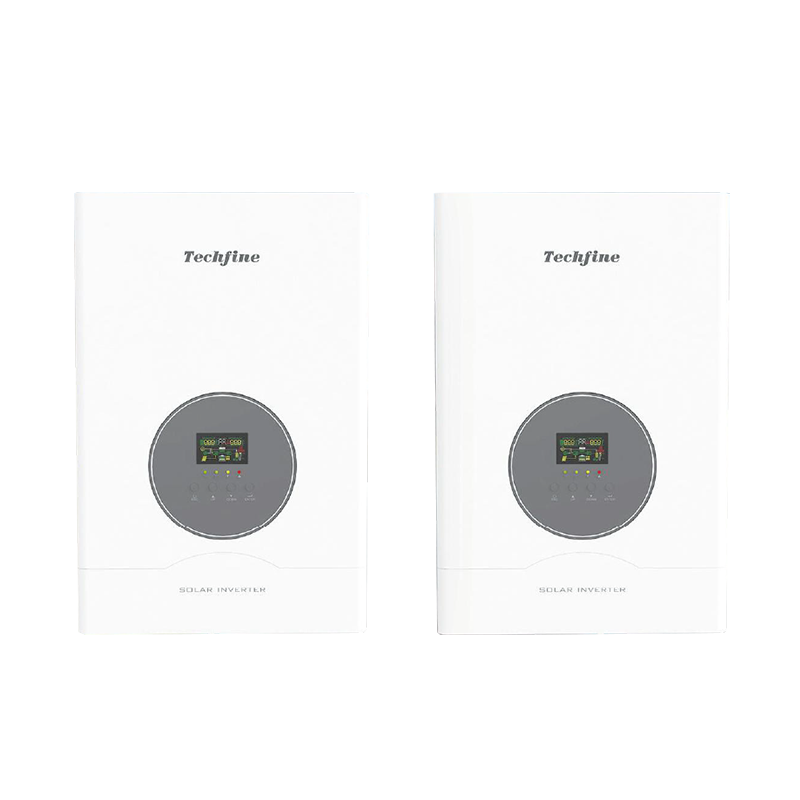
In the rapidly evolving landscape of renewable energy, a particular type of power conversion technology is gaining prominence for its flexibility and resilience: the on-off grid inverter. This advanced electronic device, also commonly referred to as a hybrid inverter, is engineered to intelligently manage energy flow in systems that can operate both connected to the public electrical grid and independently as an off-grid power source. The on-off grid inverter represents a significant step forward from traditional single-mode inverters, offering users enhanced energy independence, security, and efficiency by seamlessly bridging two distinct operational paradigms.
The core function of an on-off grid inverter is to convert the direct current (DC) electricity generated by sources like solar panels or stored in batteries into the alternating current (AC) used by household appliances and the grid. Its defining capability, however, lies in its dual-mode operation. When the public grid is available and stable, the on-off grid inverter functions in grid-tied mode. It synchronizes with the grid's frequency and voltage, allowing it to feed surplus solar energy back to the grid (where regulations permit) and to draw power from the grid when solar generation is insufficient. Crucially, it can also charge a connected battery bank with either solar power or inexpensive grid power during off-peak hours.
The true value of an on-off grid inverter is demonstrated when the public grid fails. In such an event, the inverter can automatically and rapidly disconnect from the grid—a critical safety feature known as anti-islanding—and switch to off-grid or backup mode. In this mode, the on-off grid inverter uses energy from solar panels and batteries to create a small, independent AC grid powering essential home circuits. This provides uninterrupted power during outages, a feature of increasing importance in regions prone to bad weather or with less reliable grid infrastructure. The transition between these modes is managed by sophisticated software within the on-off grid inverter, ensuring a smooth and stable power supply to the home.
The integration capability of an on-off grid inverter is central to its role in modern energy management. It acts as the central intelligence for a complete solar-plus-storage system, coordinating between PV arrays, battery banks, the home's load, and the public grid. Advanced models of the on-off grid inverter offer features like peak shaving, where stored battery energy is used during periods of high grid electricity prices, and zero-export control, which ensures no excess power is sent to the grid if local regulations or utility agreements discourage it. This makes the on-off grid inverter a key tool for optimizing energy costs and big self-consumption of renewable generation.
The development of on-off grid inverter technology is focused on increasing power density, improving software intelligence, and enhancing grid-support functions. Future iterations may feature more integrated designs with built-in charge controllers and advanced energy management systems that learn user patterns. As grids become smarter and distributed energy resources proliferate, the on-off grid inverter is poised to play an even more dynamic role, potentially providing grid-stabilizing services. This technology empowers consumers to become active participants in the energy ecosystem, providing a versatile and resilient foundation for a more decentralized and sustainable energy future.
Your email address will not be published. Required field are marked*

Call support 24/7 (Whatsapp)
+86 15988592807
Send us Email
[email protected]
Visit our location
Building 1, No. 21 Shengfa Road, Lucheng District, Wenzhou, Zhejiang, China



 中文简体
中文简体  Français
  عربى
عربى 