

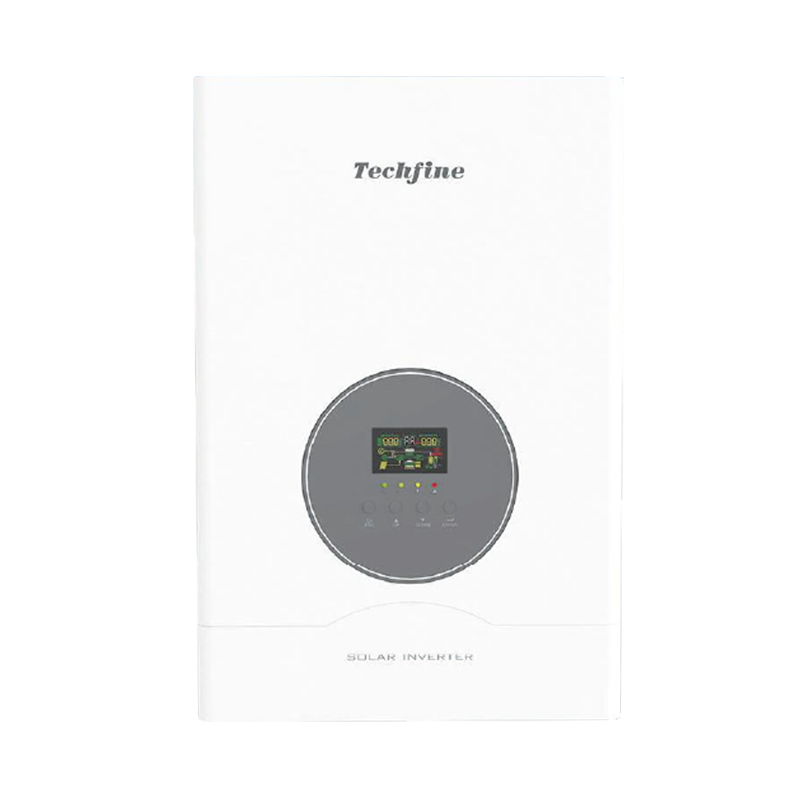
In the dynamic evolution of residential and commercial solar power, a key component has emerged as central to big efficiency, independence, and return on investment: the hybrid solar inverter. This advanced power electronic device transcends the traditional role of a standard inverter, integrating multiple critical functions into a single unit. The hybrid solar inverter acts as the intelligent command center for a solar energy system that incorporates both photovoltaic panels and battery storage, seamlessly managing the flow of electricity between these sources, the building's electrical loads, and the public utility grid.
The fundamental role of a hybrid solar inverter is to perform the essential DC-to-AC conversion, transforming the direct current generated by solar panels into the alternating current used by household appliances and the grid. However, its defining capability lies in its sophisticated power management. Unlike a standard grid-tied inverter that solely feeds solar energy to the grid or home, a hybrid solar inverter is designed to work in conjunction with a battery bank. It can dynamically direct surplus solar energy not immediately consumed to charge the batteries for later use, rather than sending all excess power directly to the grid. This prioritization of self-consumption is a core economic and strategic advantage of the hybrid solar inverter, allowing users to store solar energy for use during the evening, on cloudy days, or during periods of high grid electricity prices.
A primary benefit of a hybrid solar inverter is the provision of backup power. In the event of a grid outage, many hybrid solar inverter systems can automatically disconnect from the utility grid and switch to an off-grid or backup power mode. Using energy stored in the batteries and, in some configurations, continuing to harvest energy from solar panels, the hybrid solar inverter can maintain power to critical home circuits. This functionality, often referred to as an uninterruptible power supply capability, provides significant energy security and resilience, which is increasingly valued in regions experiencing more frequent grid disruptions or bad weather events.
The operational intelligence of a modern hybrid solar inverter is a key differentiator. Equipped with advanced software and monitoring capabilities, these devices can be programmed to optimize energy flows based on time-of-use electricity rates, weather forecasts, and user consumption patterns. For instance, a hybrid solar inverter can be set to charge the battery from the grid during off-peak, low-cost periods and discharge it during peak, high-cost periods—a strategy known as arbitrage. This intelligent management improves financial savings and system efficiency. The user interface, often accessible via a mobile application, provides real-time data on energy production, consumption, battery state of charge, and system health.
The development of hybrid solar inverter technology is focused on increased power density, enhanced grid-support functions, and deeper integration with other home energy systems. Future iterations may manage electric vehicle charging, integrate with home energy management systems for holistic control, and provide grid-stabilizing services by intelligently injecting or absorbing power. As the global push for electrification and renewable integration accelerates, the hybrid solar inverter is poised to remain at the forefront, evolving from a simple converter into the essential brain of a modern, flexible, and resilient distributed energy resource.
Your email address will not be published. Required field are marked*

Call support 24/7 (Whatsapp)
+86 15988592807
Send us Email
[email protected]
Visit our location
Building 1, No. 21 Shengfa Road, Lucheng District, Wenzhou, Zhejiang, China



 中文简体
中文简体  Français
  عربى
عربى 