

The ongoing global shift toward electrification and renewable energy is fundamentally reliant on advancements in a single core technology: the lithium battery. This rechargeable energy storage device has become ubiquitous, powering everything from portable electronics and electric vehicles to grid-scale storage systems. The evolution of the lithium battery, driven by continuous research in materials and engineering, is central to improving energy density, safety, lifespan, and cost, directly influencing the pace of adoption across multiple transformative industries.
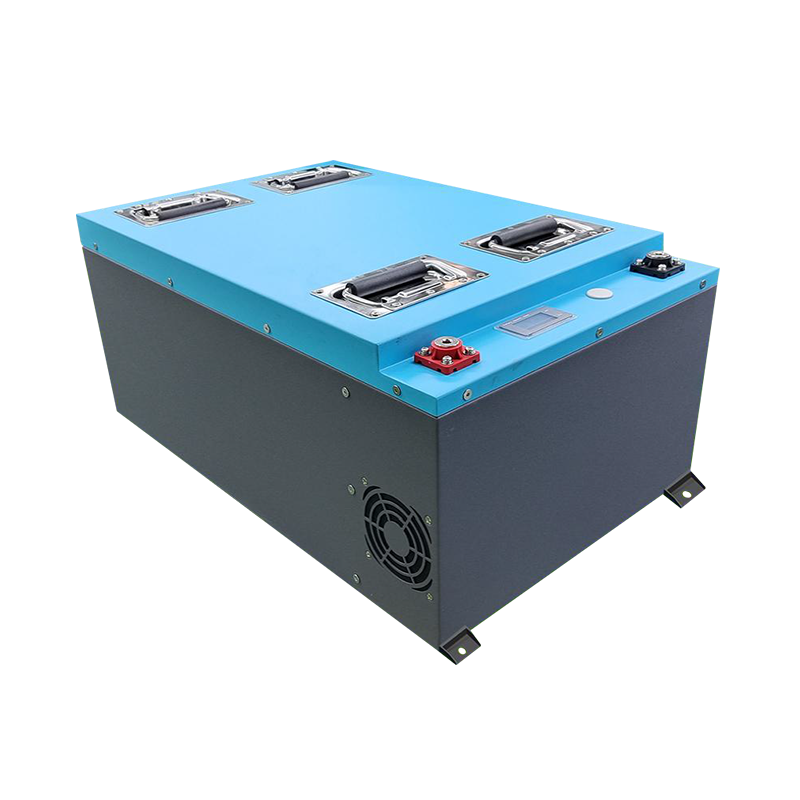
At the heart of a lithium battery is the movement of lithium ions between two electrodes—a cathode and an anode—through an electrolyte medium. During discharge, ions flow from the anode to the cathode, releasing energy to power a device. During charging, an external power source drives the ions back to the anode. The specific materials used for these components define the battery's characteristics. Common cathode chemistries include lithium iron phosphate, known for its stability and long life, and various nickel-manganese-cobalt formulations that prioritize high energy density. The widespread use of graphite as an anode material is now being complemented by research into silicon-based anodes to achieve greater capacity.
The many visible application driving lithium battery innovation is transportation. Electric vehicles depend on large, high-performance lithium battery packs to deliver sufficient range, power, and charging speed to compete with traditional internal combustion engines. The energy density of a lithium battery—how much energy it can store per unit of weight or volume—is a critical metric here, directly impacting vehicle design and consumer acceptance. Beyond cars, lithium battery technology is essential for electric buses, scooters, bicycles, and even emerging sectors like electric aviation.
Another equally critical application is in stationary energy storage. As the share of intermittent renewable sources like solar and wind power grows on electrical grids, large-scale lithium battery installations are deployed to store excess energy when production is high and release it when demand peaks or generation is low. This stabilizes the grid and improves the use of clean energy. At the residential and commercial level, lithium battery systems paired with solar panels allow for self-consumption of generated power and provide backup during outages.
Safety and sustainability are paramount concerns in lithium battery development. Engineering focuses on robust battery management systems to monitor cell voltage and temperature, prevent overcharging, and ensure balanced operation. Advances in solid-state electrolytes represent a promising path toward batteries that are less prone to thermal issues. Furthermore, the entire lifecycle of a lithium battery is under scrutiny. Establishing efficient collection and recycling streams is vital to recover valuable materials like lithium, cobalt, and nickel, reducing environmental impact and easing supply constraints for future production.
The lithium battery will remain the dominant storage technology for the foreseeable future, enabling the decarbonization of transport and the greening of the power grid. Its evolution from powering small electronics to becoming the cornerstone of modern energy infrastructure represents one of the many significant technological stories of the era. As innovation addresses the remaining challenges of cost, resource use, and end-of-life management, the lithium battery is poised to solidify its role as the essential enabler of a more electrified and sustainable world.
Your email address will not be published. Required field are marked*


Call support 24/7 (Whatsapp)
+86 15988592807
Send us Email
[email protected]
Visit our location
Building 1, No. 21 Shengfa Road, Lucheng District, Wenzhou, Zhejiang, China



 中文简体
中文简体  Français
  عربى
عربى 