
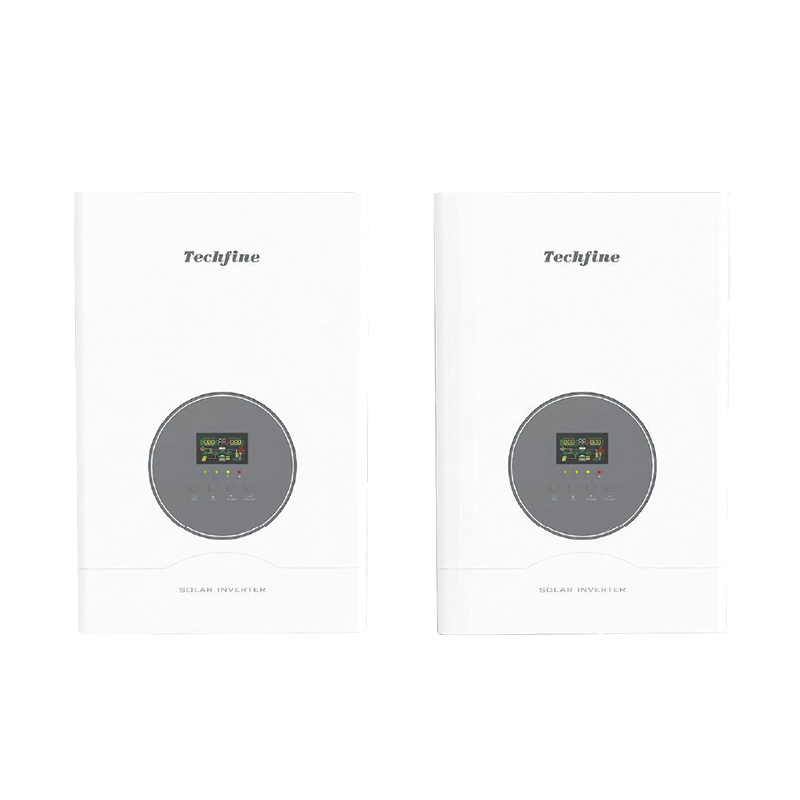
The widespread integration of rooftop and utility-scale solar power into existing electrical networks relies heavily on a key piece of technology: the on grid inverter. This device, also known as a grid-tied inverter, performs the essential function of converting the direct current electricity generated by solar panels into alternating current that is synchronized with the public power grid. The performance and intelligence of the on grid inverter are fundamental to the safety, efficiency, and stability of distributed solar generation systems.
At its core, the on grid inverter manages a two-way energy conversion process. It takes variable DC power from a photovoltaic array and transforms it into stable AC power that matches the grid's voltage and frequency. Beyond this basic conversion, a modern on grid inverter incorporates sophisticated electronics to ensure "grid compliance." It constantly monitors the grid's alternating current waveform. Through a process called up to power point tracking, the on grid inverter continuously adjusts the electrical load on the solar panels to extract the high possible amount of power under changing sunlight conditions. This improves the energy harvest from the installed solar capacity.
A primary and non-negotiable function of any on grid inverter is safety. It must include anti-islanding protection. This feature automatically disconnects the solar system from the grid if a power outage is detected. This prevents the on grid inverter from feeding electricity into a de-energized grid, which could pose a serious risk to utility line workers attempting repairs. This safety mechanism ensures that grid-tied solar systems shut down during blackouts unless specifically configured with a backup power option.
The applications for the on grid inverter cover the entire spectrum of grid-connected solar installations. For residential systems, a single on grid inverter (often a string inverter) is typically installed to manage the output of multiple panels. In larger commercial and utility-scale solar farms, multiple high-capacity on grid inverter units or central inverters are deployed. The technology enables net metering, where surplus solar power generated by a home or business is fed back into the grid, often resulting in credits from the utility company. This economic model is a major driver for solar adoption and is wholly dependent on the capabilities of the on grid inverter.
Technological evolution is continuously enhancing the on grid inverter. A significant trend is the move toward module-level power electronics, such as microinverters or DC optimizers paired with a string on grid inverter. These solutions mitigate the performance loss that can occur when some panels in a string are shaded or dirty, optimizing the output of each individual panel. Furthermore, modern on grid inverter models often feature advanced communication capabilities, allowing for remote monitoring of system performance, energy production data logging, and firmware updates.
The role of the on grid inverter is expanding from a simple converter to an intelligent grid management device. Future on grid inverter systems are expected to provide enhanced grid support functions, such as voltage and frequency regulation, to help maintain grid stability as renewable penetration increases. As solar power becomes an ever more dominant energy source, the smart, reliable, and efficient on grid inverter will remain the indispensable gateway, ensuring that clean solar energy is safely and effectively delivered to homes, businesses, and the wider electrical network.
Your email address will not be published. Required field are marked*

Call support 24/7 (Whatsapp)
+86 15988592807
Send us Email
[email protected]
Visit our location
Building 1, No. 21 Shengfa Road, Lucheng District, Wenzhou, Zhejiang, China



 中文简体
中文简体  Français
  عربى
عربى 