

The global expansion of solar power as a mainstream energy source is fundamentally driven by advancements in a single, mass-produced product: the PV module. Often called a solar panel, the PV module is the essential building block that converts sunlight directly into electricity. Its widespread deployment on rooftops, in solar farms, and integrated into buildings underscores its critical role in the transition toward renewable energy. Continuous innovation in the design, efficiency, and manufacturing of the PV module is central to improving the performance and accessibility of solar technology worldwide.
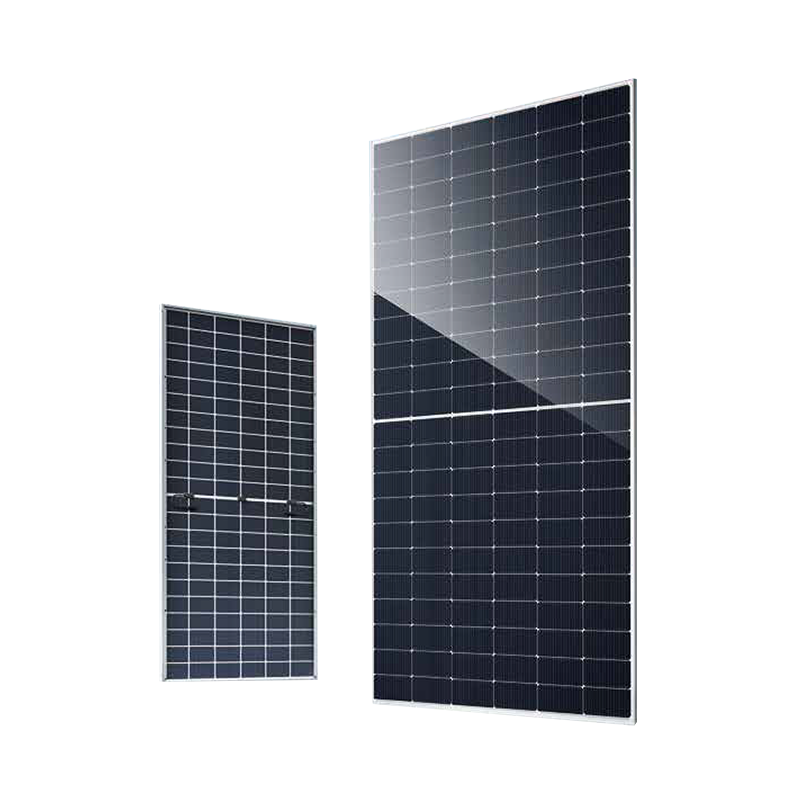
A standard PV module is an assembly of interconnected photovoltaic cells, typically made from silicon, protected within a durable laminate and framed structure. Individual solar cells generate direct current electricity when exposed to sunlight. These cells are wired together in series and parallel within the PV module to achieve a desired voltage and current output. The module is then encapsulated behind a tempered glass front sheet and a polymer backsheet, sealed within an ethylene-vinyl acetate laminate to protect the delicate cells from moisture, mechanical stress, and environmental degradation for 25 years or more.
The primary metric for a PV module is its conversion efficiency—the percentage of sunlight energy striking its surface that is converted into electrical energy. Decades of research and development have steadily increased PV module efficiency through improvements in cell technology, such as the shift from multicrystalline to more efficient monocrystalline PERC cells, and the adoption of advanced cell designs like heterojunction and top-conductor configurations. Higher efficiency means a PV module of the same physical size can generate more electricity, optimizing the use of available space, which is crucial for both residential and utility-scale installations.
The application of PV modules is vast and continuously evolving. Rooftop residential and commercial installations represent a major market segment, allowing businesses and homeowners to generate their own electricity. For utility-scale power generation, thousands of PV modules are deployed in expansive solar farms connected to the electrical grid. Beyond traditional fixed installations, PV modules are integrated into building materials for facades and roofing, used in off-grid systems for remote power, and are essential for powering everything from satellites to small electronic devices.
Manufacturing scale and cost reduction have been pivotal to the success of the PV module. Automated production lines and economies of scale have dramatically lowered the cost per watt, making solar energy increasingly competitive with conventional power sources. The industry supply chain, from polysilicon production to cell and PV module assembly, has become highly globalized and optimized. Quality control during PV module manufacturing is rigorous, with standardized testing for power output, durability against hail and wind loads, and long-term performance warranties being standard industry practice.
The trajectory for PV module development points toward further efficiency gains, increased durability, and greater integration flexibility. Emerging technologies like perovskite-silicon tandem cells hold promise for the next leap in PV module performance. As global decarbonization efforts intensify, the PV module will remain the workhorse of the solar industry. Its ongoing evolution—making solar power more productive, reliable, and cost-effective—is essential for meeting the world's growing clean energy demands and solidifying solar's position as a cornerstone of a sustainable energy future.
Your email address will not be published. Required field are marked*


Call support 24/7 (Whatsapp)
+86 15988592807
Send us Email
[email protected]
Visit our location
Building 1, No. 21 Shengfa Road, Lucheng District, Wenzhou, Zhejiang, China



 中文简体
中文简体  Français
  عربى
عربى 