
As photovoltaic installations grow in capacity, inverter selection becomes increasingly connected to system architecture, installation conditions, and long-term maintenance planning. For commercial, industrial, and utility-scale projects, Large Solar Inverters need to handle higher electrical loads while fitting the site's power distribution and environmental conditions. For procurement teams, rated output is only one part of the specification. Thermal management, enclosure construction, component configuration, protection, installation requirements, and factory testing can all influence project execution.
Large Solar Inverters are generally used in applications where substantial photovoltaic generation needs to be converted into usable AC power. The required capacity depends on the PV array, expected operating conditions, system architecture, and connection arrangement.
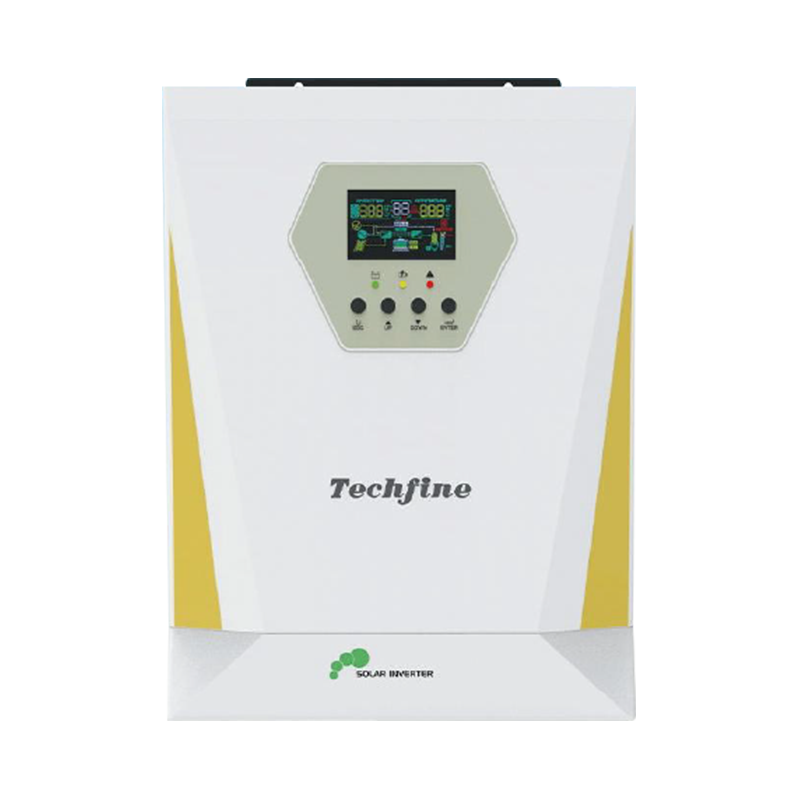
A procurement specification should therefore identify the intended DC input characteristics, AC output requirements, operating voltage, frequency, installation environment, and expected load or grid connection. These details give the manufacturer a clearer basis for determining the appropriate product configuration.
For projects using several inverter units, engineers may also need to consider how the equipment will be arranged within the electrical system. Cabinet dimensions, cable access, terminal positions, cooling requirements, and maintenance clearance can affect installation planning even when the electrical ratings are already confirmed.
Heat management becomes an important manufacturing consideration for Large Solar Inverters because power conversion generates heat during operation. The enclosure, ventilation structure, cooling components, internal layout, and temperature monitoring arrangement all contribute to thermal management.
At the factory, component placement needs to follow the product design so that electrical connections and heat-dissipating components remain within their intended positions. Cooling fans or other thermal-control components, where applicable, can also require inspection during assembly and functional testing.
For buyers working on projects in hot, dusty, humid, or enclosed environments, installation conditions should be communicated to the manufacturer before production. The same inverter specification may require different installation considerations depending on the actual site.
An inverter is installed as part of a larger electrical system rather than operating as an isolated product. The specification for Large Solar Inverters may therefore include DC input range, AC output voltage, rated frequency, protection functions, communication interfaces, cable terminals, and enclosure requirements.
Mechanical details are also relevant. A large cabinet needs suitable structural support, access for electrical connections, and sufficient space for ventilation and maintenance. For containerized or equipment-room installations, dimensions and access routes should be checked before shipment.
|
Project Factor |
What Buyers Should Confirm |
Factory Relevance |
|
DC input |
PV voltage and current range |
Component and electrical configuration |
|
AC output |
Voltage, frequency, and rated capacity |
Power conversion design |
|
Installation |
Indoor, outdoor, cabinet, or equipment room |
Enclosure and cooling arrangement |
|
Thermal conditions |
Ambient temperature and ventilation |
Cooling-system configuration |
|
Connections |
Cable entry and terminal arrangement |
Assembly and wiring layout |
|
Maintenance |
Access space and replaceable components |
Cabinet and internal structure |
This type of specification review is particularly useful when purchasing Large Solar Inverters in batches. It connects the product configuration with actual site requirements before production begins.
The production of Large Solar Inverters involves electrical assembly, mechanical assembly, wiring, component inspection, and functional testing. Incoming components can be checked against the approved bill of materials and purchasing specifications before entering production.
During assembly, technicians can verify wiring routes, terminal connections, fasteners, component placement, labels, and enclosure condition. Electrical testing can then be carried out according to the product design to check operating functions and selected protection responses.
For batch orders, manufacturing records help maintain consistency between individual units. Model identification and configuration records are particularly important when several output ratings or cabinet versions are produced for different projects.
B2B photovoltaic projects can have requirements that differ from standard catalog configurations. Buyers may need specific communication interfaces, enclosure arrangements, terminal layouts, monitoring functions, or electrical parameters.
For Large Solar Inverters, such requirements should be reviewed during the quotation and engineering stage. Technical drawings, system diagrams, installation conditions, and applicable standards give the factory information needed to assess whether a requested configuration can be incorporated into production.
Once the configuration is approved, the same specification can be used as a reference for production, inspection, packaging, and shipment documentation. This creates a clearer connection between what was ordered and what is delivered.
Before Large Solar Inverters leave the factory, inspection can cover appearance, cabinet assembly, wiring, terminal identification, labels, accessories, and specified electrical functions. Depending on the order, test records and other production documents may also be prepared for the buyer.
For overseas procurement, these factory checks are particularly relevant when equipment will travel a long distance before installation. Clear product identification and packaging requirements help maintain the approved configuration through production and logistics without turning the purchasing process into a series of installation-stage corrections.
Your email address will not be published. Required field are marked*

Call support 24/7 (Whatsapp)
+86 15988592807
Send us Email
[email protected]
Visit our location
Building 1, No. 21 Shengfa Road, Lucheng District, Wenzhou, Zhejiang, China



 中文简体
中文简体  Français
  عربى
عربى 