

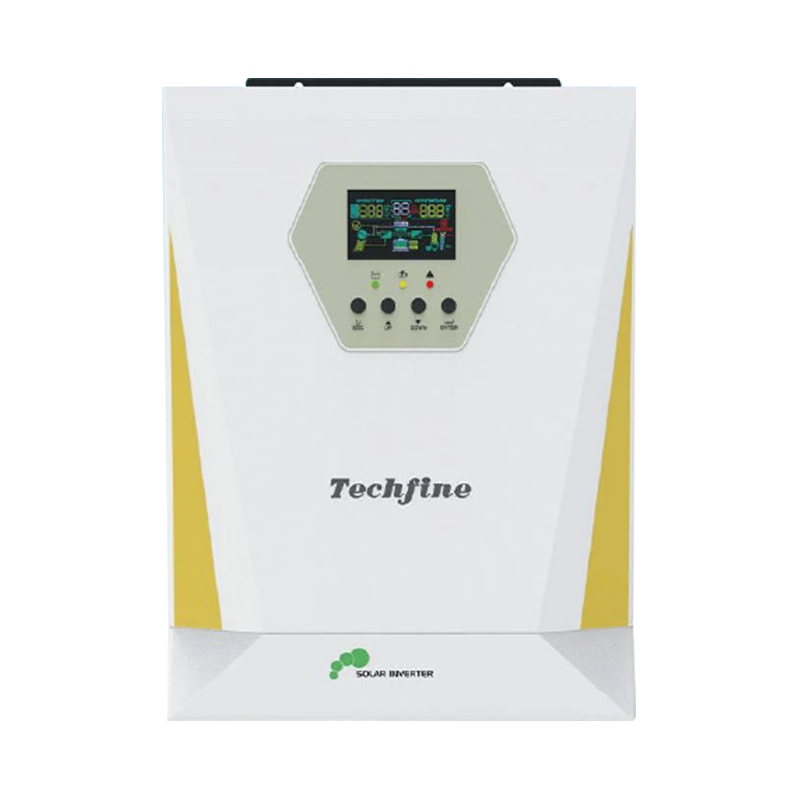
A solarwise inverter is not an isolated device inside a solar energy system. It works as a connection point between solar panels, batteries, electrical loads, and the power network. When a solar system is designed, the performance of each part depends on how well these components work together.
For this reason, inverter development involves more than converting electricity. Engineers need to consider energy flow, system compatibility, and different application conditions before creating a product suitable for real installations.
A solar installation usually contains several key parts.
Solar panels generate electricity.
Batteries store available energy.
Loads consume power.
The inverter manages the conversion and distribution process.
If these parts do not match properly, the whole system may not achieve the expected operation.
A solarwise inverter needs to handle the relationship between different components rather than working as a separate machine.
This system-level approach has become an important consideration in solar equipment development.
The basic function of an inverter involves converting DC electricity from solar panels into AC electricity used by electrical equipment.
However, practical applications require more than conversion.
The inverter needs to respond to changes in energy production and consumption.
Solar generation changes throughout the day.
Power demand changes according to user habits.
Battery conditions also influence energy management.
Because of these changes, modern inverter design focuses on controlling energy movement between different parts of the system.
Solar systems are installed in many environments.
Residential buildings.
Commercial facilities.
Remote areas.
Each application may have different energy requirements.
A home system may focus on daily electricity usage.
A remote installation may require greater independence from the grid.
For a solarwise inverter, application conditions influence product design and configuration.
The inverter needs to match the working environment instead of following one fixed solution for every project.
Solar equipment is becoming more connected.
Users and installers often need information about system operation.
Energy production.
Battery status.
Power usage.
These functions require communication between different devices.
The inverter becomes not only a power conversion unit but also a part of the energy management system.
This development changes the expectations for solar equipment suppliers because hardware and intelligent control are increasingly connected.
Before a solar inverter reaches the market, engineers need to consider different usage conditions.
System compatibility.
Component connection.
Operating environment.
Installation requirements.
These factors influence product development decisions.
For a solarwise inverter, practical experience from different applications helps manufacturers understand how the equipment performs after installation.
Real project conditions often provide valuable information that cannot be obtained only through laboratory testing.
The development of a solarwise inverter reflects a larger change in solar technology.
In the past, individual components were often considered separately.
Today, complete energy systems receive more attention.
The inverter connects power generation, storage, and consumption into one working structure.
As solar applications continue to expand, inverter design will remain closely connected with system planning and energy management.
For manufacturers, creating an effective inverter solution requires understanding not only electrical conversion but also the relationship between every part of the solar system.
A residential backup project and an industrial storage project usually have different requirements.
|
Application |
Common Concern |
|
Factory energy storage |
Load changes and continuous operation |
|
Solar storage project |
Charging schedule and energy usage |
|
Commercial building |
Space arrangement and management |
|
Backup power system |
Stable response during outages |
The purchasing conversation around Energy Storage Battery products often depends on the actual application.
Some customers focus on installation conditions. Others pay closer attention to testing records, delivery schedules, and long-term maintenance arrangements.
The same battery technology may face different evaluation points in different projects.
Battery manufacturing involves many small adjustments.
A connection method may be improved after installation feedback.
A testing procedure may be updated after reviewing project data.
A packaging method may change after the transportation experience.
These changes often come from direct communication between production teams and customers.
Companies working with Energy Storage Lithium products usually need to manage information from design, assembly, testing, and field operation together.
At the factory side, operators see the physical details behind each order. On the customer side, engineers see how the system behaves after installation.
The connection between these two sides shapes future improvements in energy storage projects.
Your email address will not be published. Required field are marked*

Call support 24/7 (Whatsapp)
+86 15988592807
Send us Email
[email protected]
Visit our location
Building 1, No. 21 Shengfa Road, Lucheng District, Wenzhou, Zhejiang, China



 中文简体
中文简体  Français
  عربى
عربى 