

An energy storage order does not start when the product leaves the factory.
Before shipment, production teams usually check a series of details that are easy to overlook during early discussions.
The packaging size.
The connection protection.
The labeling information.
The condition of each battery unit after testing.
For customers purchasing Energy Storage Lithium, these steps are closely connected with project preparation after delivery.
A warehouse engineer may need clear package information before receiving the goods. An installation team may need accurate documents before arranging the next stage.
The factory side often receives questions about these practical details rather than only technical specifications.
Battery products experience different conditions during transportation.
Long-distance shipping may involve temperature changes, handling movements, and different storage environments.
Production workers usually check packaging protection before loading.
Operators inspect fixing points.
Packing teams review spacing between units.
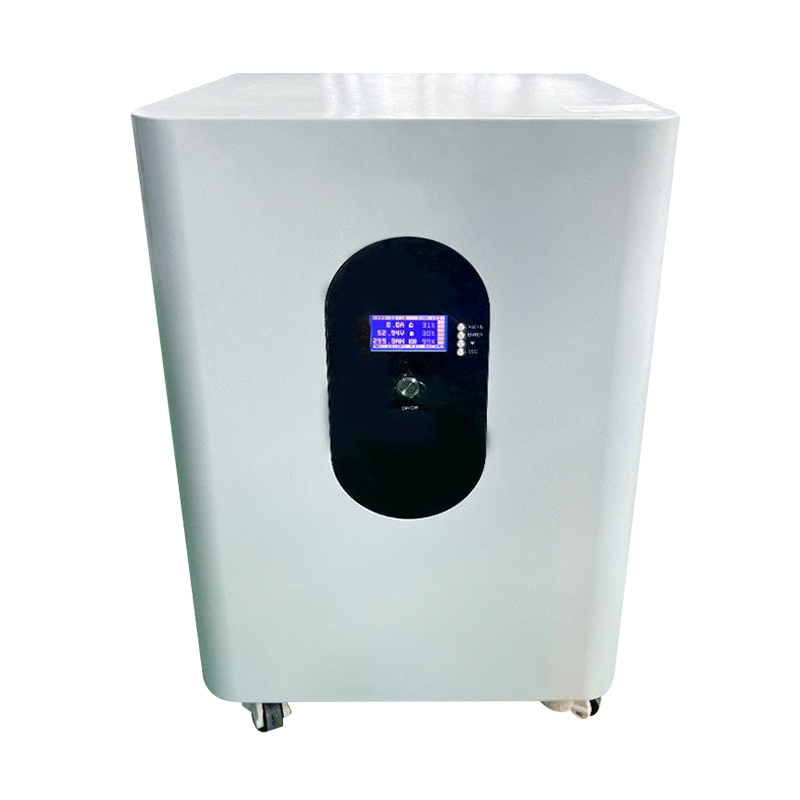
Quality staff confirms labels match shipment records.
For a Lithium Battery Pack, packaging is not only about keeping the product inside a box. The structure needs to protect important components during movement between locations.
A typical shipment preparation process may include:
|
Preparation Stage |
Factory Check |
|
Before packing |
Product appearance and test records |
|
During packing |
Protection materials and fixing method |
|
Before shipment |
Quantity confirmation and documentation |
|
After loading |
Transport arrangement review |
These steps are part of daily production coordination.
During purchasing discussions, customers often request information related to testing procedures and product handling.
A project manager may ask about inspection reports.
A distributor may check shipment requirements.
An installer may confirm product information before receiving equipment.
For Energy Storage Lithium projects, these conversations often involve Battery Safety Testing records.
Testing teams usually review battery conditions before products enter the packing stage.
Voltage information.
Module connection status.
Appearance checks.
Abnormal situations are recorded during inspection instead of being discovered after delivery.
The process creates a connection between factory production and customer installation.
Not every customer evaluates storage equipment in the same way.
A system integrator may focus on installation matching.
A distributor may pay attention to delivery arrangements.
An industrial user may care more about long-term operation planning.
|
Buyer Type |
Common Discussion Point |
|
System integrator |
Installation compatibility |
|
Distributor |
Shipment and inventory planning |
|
Industrial customer |
Operation requirements |
|
Project contractor |
Delivery schedule |
For an Energy Storage Battery order, communication usually involves more than selecting a battery model.
The supplier needs to understand where the product will be installed and what preparation work will happen after arrival.
Factory experience comes from repeated projects.
A packaging method may be adjusted after transportation feedback.
A checking process may become more detailed after customer suggestions.
A document format may be updated after installation teams request clearer information.
These changes are often small, but they affect daily cooperation.
Companies producing Energy Storage Lithium products usually collect information from production, inspection, shipment, and customer feedback.
Inside the factory, operators see details that are difficult to show in a product specification sheet.
A connection point that requires extra checking.
A packaging step that needs more protection.
A testing record that requires careful review.
These observations become part of production improvement.
An energy storage project involves many stages between manufacturing and final operation.
The battery unit is only one part of this process. Packaging, inspection, transportation, and installation preparation all influence the customer experience.
For companies selecting Energy Storage Lithium, supplier communication often covers these practical steps before the equipment reaches the project site.
The work behind an energy storage order happens through many small actions, from factory inspection tables to shipment preparation areas. Each step supports the transition from production line to real application.
Your email address will not be published. Required field are marked*


Call support 24/7 (Whatsapp)
+86 15988592807
Send us Email
[email protected]
Visit our location
Building 1, No. 21 Shengfa Road, Lucheng District, Wenzhou, Zhejiang, China



 中文简体
中文简体  Français
  عربى
عربى 