

A PCE inverter is often placed at the center of a power system where electricity generation, storage, and consumption need to work together. In practical applications, the inverter is not only responsible for power conversion. It also needs to adapt to different energy management situations created by residential, commercial, and independent power systems.
As solar applications become more diverse, the requirements for inverter products are also changing. A solution designed for one environment may not directly match another project with different power usage habits.
Traditional power usage followed a relatively simple structure.
Electricity came from the grid.
Users consumed power according to demand.
Modern solar systems introduce more possibilities.
Solar panels can generate electricity.
Batteries can store energy.
Users can adjust when and how energy is consumed.
For a PCE inverter, these changes create new design considerations. The inverter needs to work within a larger energy structure instead of operating as a separate conversion device.
Not every solar project has the same purpose.
A residential system may focus on daily household electricity use.
A commercial project may need better control of energy consumption.
A remote installation may require a more independent power solution.
These different situations influence how a PCE inverter is selected and configured.
The working environment, energy demand, and connection method all affect the final system arrangement.
Electricity inside a solar system does not always move in one direction.
During periods of strong sunlight, solar panels may produce more energy than the current demand requires.
At other times, stored energy may need to support electrical loads.
The inverter connects to these changing conditions.
It manages the conversion between different forms of electricity while supporting communication between system components.
This changing role has influenced the development of modern inverter technology.
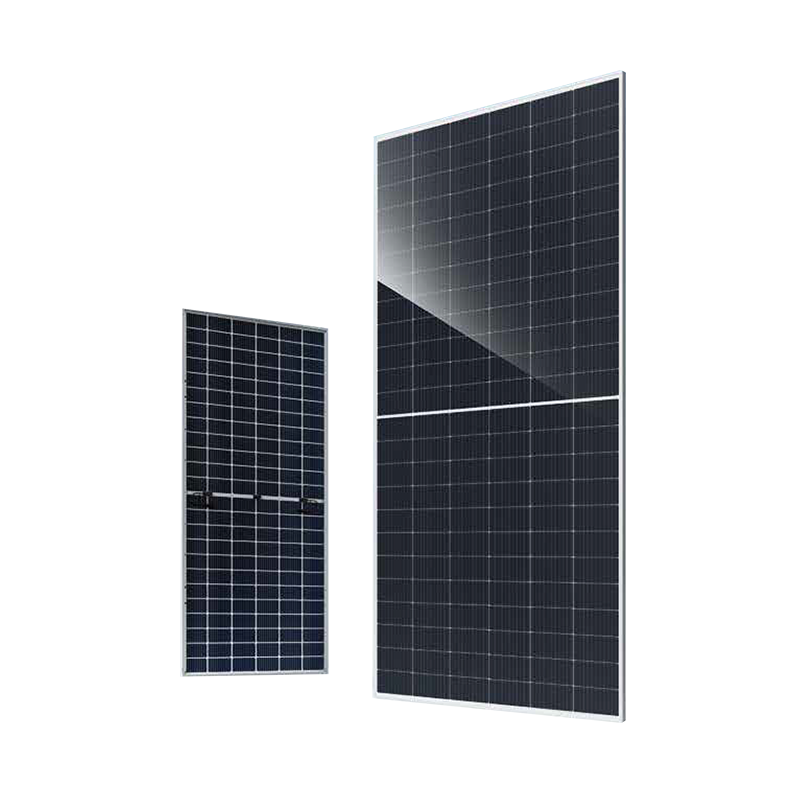
Modern energy equipment involves more than physical components.
Control systems and monitoring functions have become part of inverter development.
Users may need information about energy production.
Installers may need system operation data.
Project managers may need to understand overall energy usage.
For this reason, a PCE inverter often combines electrical functions with intelligent management features.
The connection between hardware and software helps users understand what happens inside the energy system.
Inverter development is closely related to actual installation experience.
Different projects may reveal different requirements.
Some locations may have changing electricity demand.
Some systems may operate with battery storage.
Some users may need easier monitoring methods.
These situations provide practical information for future product improvement.
Instead of creating products based only on theoretical conditions, manufacturers continue adjusting designs according to real applications.
A solar system is usually expected to operate for many years.
Because of this, users and installers consider more than the initial installation.
The relationship between different components.
The way energy is managed.
The convenience of monitoring.
These factors influence the selection of inverter solutions.
For a PCE inverter, long-term system cooperation becomes an important part of product application.
The development of the PCE inverter reflects a change in modern power management.
The inverter is no longer viewed as only a conversion device.
It connects energy generation, storage, and consumption within one system.
As renewable energy projects continue to develop, inverter products will continue to adapt to different application requirements. The future direction of inverter design depends not only on electrical performance but also on how effectively the equipment works together with the complete energy system.
Your email address will not be published. Required field are marked*

Call support 24/7 (Whatsapp)
+86 15988592807
Send us Email
[email protected]
Visit our location
Building 1, No. 21 Shengfa Road, Lucheng District, Wenzhou, Zhejiang, China



 中文简体
中文简体  Français
  عربى
عربى 