

A storage system rarely works under one fixed condition throughout the day. At a factory site, the power demand may rise suddenly when production equipment starts. During quieter periods, the charging pattern may look completely different.
Engineers checking energy records often pay attention to small changes.
A short increase in load.
A longer charging period.
A temperature difference between battery modules.
These details are usually recorded before a project team makes adjustments.
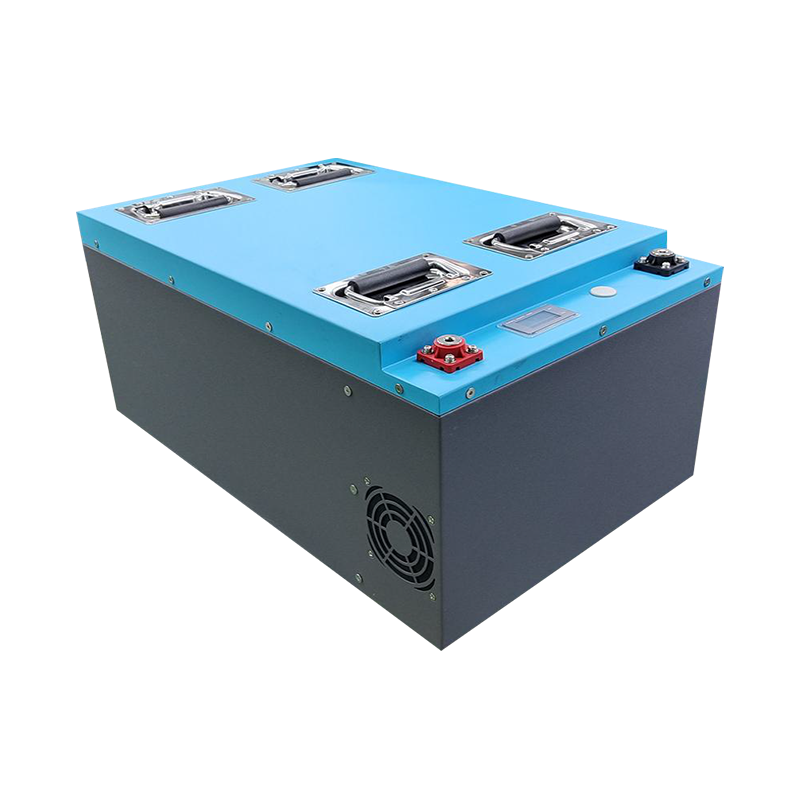
For suppliers involved with Energy Storage Lithium systems, these field observations are important during communication with customers. A buyer may not only ask about capacity numbers. They may also discuss working conditions, installation space, and expected operating patterns.
The information collected from actual applications often affects later configuration decisions.
Battery Performance Is Connected With Daily Usage
An energy storage project may operate in a factory, commercial building, or renewable energy site. Each location creates different operating conditions.
A factory using heavy equipment may experience frequent power changes. A solar storage project may follow a different charging schedule depending on energy generation.
During customer discussions, engineers often review:
A complete Lithium Battery System needs to match these practical conditions.
Operators at project locations may notice unusual sounds from cooling equipment, changes in operating temperature, or differences between battery modules during routine checks.
These small observations can provide useful information for maintenance planning.
Factory Testing Focuses On More Than Final Output
Before shipment, battery systems usually go through several inspection stages.
Production workers check connection points.
Testing staff monitor charging results.
Quality teams review recorded data.
The production rhythm changes depending on order requirements. A customized project may require additional inspection steps compared with a standard batch.
For Energy Storage Lithium production, consistency between units is an important part of quality control.
During assembly, operators may pay attention to details that are easy to miss in documents:
Whether connectors fit smoothly
Whether module assembly remains stable
Whether testing data stays within expected ranges
These practical checks are connected with the final operating experience of customers.
Battery Management Becomes A Key Communication Point
Customers purchasing storage equipment often discuss monitoring functions during technical meetings.
A factory manager may want to check battery status remotely. An energy project operator may focus on abnormal condition alerts.
The Battery Management System becomes an important part of these conversations because it collects operating information from the battery units.
Engineers usually review parameters such as temperature changes, voltage balance, and charging records.
Small differences between modules may appear during long-term operation, so monitoring data helps technicians understand system conditions.
For suppliers, communication with customers often includes these details rather than only discussing product specifications.
Different Applications Create Different Purchasing Priorities
A residential backup project and an industrial storage project usually have different requirements.
|
Application |
Common Concern |
|
Factory energy storage |
Load changes and continuous operation |
|
Solar storage project |
Charging schedule and energy usage |
|
Commercial building |
Space arrangement and management |
|
Backup power system |
Stable response during outages |
The purchasing conversation around Energy Storage Battery products often depends on the actual application.
Some customers focus on installation conditions. Others pay closer attention to testing records, delivery schedules, and long-term maintenance arrangements.
The same battery technology may face different evaluation points in different projects.
Production Experience Comes From Repeated Project Feedback
Battery manufacturing involves many small adjustments.
A connection method may be improved after installation feedback.
A testing procedure may be updated after reviewing project data.
A packaging method may change after transportation experience.
These changes often come from direct communication between production teams and customers.
Companies working with Energy Storage Lithium products usually need to manage information from design, assembly, testing, and field operation together.
At the factory side, operators see the physical details behind each order. At the customer side, engineers see how the system behaves after installation.
The connection between these two sides shapes future improvements in energy storage projects.
Your email address will not be published. Required field are marked*


Call support 24/7 (Whatsapp)
+86 15988592807
Send us Email
[email protected]
Visit our location
Building 1, No. 21 Shengfa Road, Lucheng District, Wenzhou, Zhejiang, China



 中文简体
中文简体  Français
  عربى
عربى 