

Early solar systems were relatively straightforward.
Panels generated electricity during the day, the inverter converted DC power into AC power, and excess energy either powered local equipment or flowed back into the electrical grid. Modern energy systems no longer operate that simply.
Today, a grid hybrid solar power inverter often manages solar input, battery storage, household consumption, grid interaction, and backup power functions at the same time. Instead of acting like a single conversion device, the inverter increasingly behaves more like an energy management center.
That shift is one reason hybrid inverters became much more technically complicated than older photovoltaic systems.
The Inverter Now Balances Multiple Power Sources
A traditional solar inverter mainly handled power conversion.
A modern grid hybrid solar power inverter constantly decides how electricity should move between solar panels, batteries, the utility grid, and connected loads. These decisions happen continuously throughout the day depending on sunlight conditions and energy demand.
For example, the system may:
Actually, the inverter must react quickly enough that users rarely notice these transitions happening in real time.
This makes internal control systems far more sophisticated than ordinary conversion hardware.
Battery Integration Changed Inverter Design
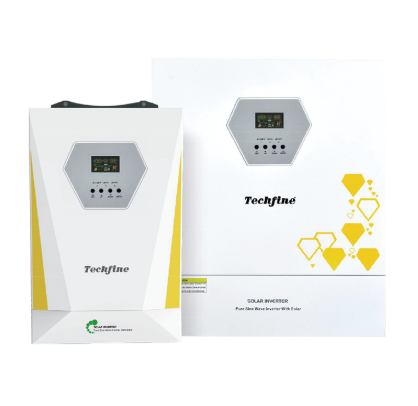
One major reason the grid hybrid solar power inverter became more advanced is battery compatibility.
Solar batteries behave differently from photovoltaic panels because charging and discharging conditions constantly change according to temperature, voltage, and load demand. The inverter therefore needs to monitor battery behavior carefully to avoid instability or shortened lifespan.
This becomes especially important with lithium storage systems where charging management directly affects safety and long-term performance.
Factories developing hybrid inverters now spend significant engineering effort on:
Actually, many modern inverter updates involve software optimization around battery control rather than hardware redesign alone.
Grid Interaction Became More Strict
Years ago, smaller photovoltaic systems operated with relatively simple grid requirements.
Today, a grid hybrid solar power inverter must often comply with far more demanding electrical standards before connection approval. Utility providers increasingly require stable synchronization behavior because large numbers of solar systems now influence overall grid stability.
Modern hybrid inverters therefore monitor:
If abnormal conditions appear, the inverter must react immediately to disconnect or adjust operation safely.
Actually, some hybrid inverter systems now contain protection logic more complicated than older industrial electrical equipment.
Heat Became A Larger Engineering Problem
As the workload inside a grid hybrid solar power inverter increased, heat management became more difficult.
The inverter now processes multiple power paths simultaneously while handling continuous electronic switching under changing environmental conditions. During high solar production combined with battery charging, internal temperatures can rise significantly.
This creates long-term stress around:
Factories therefore pay close attention to airflow structure and thermal distribution inside the inverter housing.
Actually, thermal aging remains one of the biggest long-term reliability challenges for high-power hybrid systems.
Software Now Influences Energy Efficiency
Older inverters relied heavily on hardware performance alone.
A modern grid hybrid solar power inverter increasingly depends on software control for energy optimization. Internal programs continuously analyze solar generation, battery condition, and household demand to improve efficiency throughout the day.
This software-driven management affects:
Interestingly, two systems using similar hardware may perform differently simply because of how the inverter software manages energy flow internally.
That is one reason firmware updates became more common in modern solar systems.
Backup Power Expectations Increased
Many users now expect a grid hybrid solar power inverter to continue supplying electricity during utility outages.
This changes system requirements considerably.
The inverter must transition smoothly from grid-connected mode into independent backup operation without damaging connected equipment. Sensitive electronics react poorly to unstable switching behavior, so the transition timing becomes extremely important.
This is especially noticeable in homes or businesses using:
Actually, backup reliability became one of the biggest reasons hybrid inverters gained popularity beyond simple solar energy savings.
Hybrid Systems Reflect Changing Energy Use
The growing role of the grid hybrid solar power inverter reflects how modern energy systems are changing overall.
Solar power is no longer only about daytime electricity generation. Users now expect energy storage, intelligent load management, backup capability, and flexible interaction with the electrical grid itself.
As photovoltaic systems become more integrated into daily infrastructure, hybrid inverters continue evolving from simple conversion devices into highly coordinated energy control platforms.
The difficult part is no longer converting electricity.
It is managing multiple energy sources safely, efficiently, and continuously under constantly changing operating conditions.
Your email address will not be published. Required field are marked*

Call support 24/7 (Whatsapp)
+86 15988592807
Send us Email
[email protected]
Visit our location
Building 1, No. 21 Shengfa Road, Lucheng District, Wenzhou, Zhejiang, China



 中文简体
中文简体  Français
  عربى
عربى 