

A lithium battery that sits unused for months often behaves differently from one used every day.
Many people assume batteries mainly wear out through charging cycles. Inside energy storage manufacturing, however, long-term storage conditions quietly damage a large number of cells long before cycle life becomes the main issue.
That problem appears frequently with an average lithium battery, especially in backup power systems, seasonal solar equipment, portable energy stations, and products stored in warehouses for extended periods.
Actually, some batteries lose stability faster while sitting inactive than during moderate daily use.
Low Voltage Storage Creates Hidden Damage
One common misunderstanding around an average lithium battery is that completely draining the battery before storage helps preserve lifespan.
In reality, lithium chemistry reacts poorly to extended low-voltage conditions.
When the cell voltage remains too low for long periods, internal chemical activity becomes unstable. The battery may still recharge later, but microscopic degradation already develops inside the electrodes.
This sometimes leads to:
Actually, many storage-related battery failures begin quietly months before users notice obvious performance changes.
High Temperature Aging Happens Even Without Use
An unused average lithium battery still experiences chemical aging while stored.
Temperature strongly influences how fast that aging develops. Warehouses, vehicles, and enclosed equipment cabinets often become much hotter than people expect, especially during summer.
Under elevated temperature conditions, electrolyte materials inside the battery gradually degrade even without active charging or discharging.
This becomes particularly noticeable in:
Actually, heat exposure during storage sometimes affects long-term battery health more than normal operating cycles.
Cell Balancing Slowly Changes During Inactivity
Inside many battery packs, an average lithium battery system contains multiple cells connected together.
Over time, those cells naturally drift slightly apart in voltage balance while sitting unused. The process happens slowly, but after extended storage, weaker cells may fall below stable operating voltage earlier than neighboring cells.
Once imbalance increases too much, the battery management system sometimes struggles to restore uniform charging behavior safely.
This creates problems such as:
Actually, battery packs often fail because one weak cell gradually destabilizes the entire group.
Moisture Quietly Affects Stored Battery Packs
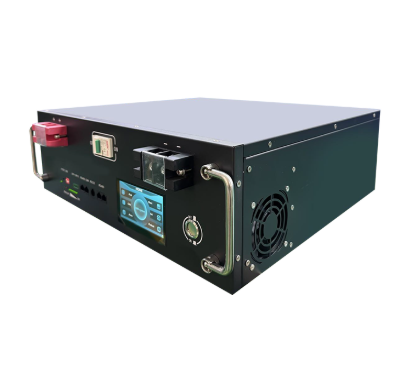
Many people think about moisture mainly as a problem during active outdoor use.
An average lithium battery stored in humid conditions may also experience gradual deterioration around terminals, protection circuits, or connector sections. Corrosion develops slowly and often remains invisible during early stages.
This becomes more common in coastal environments or poorly ventilated storage spaces.
Over time, moisture exposure may affect:
Actually, some battery packs appear electrically normal until increased resistance later causes unexpected heating during charging.
Protective Circuits Also Age During Storage
Modern battery packs rely heavily on internal protection systems.
An average lithium battery usually includes monitoring circuits designed to control charging, discharge, temperature protection, and voltage balancing. These electronic sections themselves experience aging over long inactive periods.
Capacitors, solder joints, and sensing components gradually react to environmental stress even when the battery is not actively powering equipment.
That is why some older stored battery packs develop communication or charging issues despite the lithium cells themselves remaining relatively stable.
In many cases, the electronics surrounding the battery age earlier than the energy cells inside.
Repeated Full Charging Is Not Always Better
A lot of users periodically recharge an average lithium battery to 100% during storage because it feels safer keeping the battery completely full.
Inside lithium systems, however, continuously maintaining maximum voltage also increases long-term chemical stress. High state-of-charge storage accelerates certain aging reactions inside the cell.
This is one reason manufacturers often recommend moderate storage charge levels instead of fully charged conditions for long inactive periods.
Actually, lithium batteries generally tolerate balanced moderate storage better than extreme low or extreme high voltage states.
Stored Batteries Age Quietly Before Problems Appear
Many lithium battery damage develops gradually rather than suddenly.
An average lithium battery may still power devices normally for months before reduced runtime, heating, or charging instability finally becomes noticeable. By that stage, the internal aging process has often been progressing quietly for a long time.
This is especially true in energy storage systems that spend much of the year in standby mode rather than continuous operation.
The difficult part about battery storage is that the cells can appear perfectly normal externally while internal chemistry slowly changes under temperature, voltage, and environmental pressure.
That is why long-term battery reliability depends not only on how the battery is used, but also on how it spends the periods when nobody is using it at all.
Your email address will not be published. Required field are marked*


Call support 24/7 (Whatsapp)
+86 15988592807
Send us Email
[email protected]
Visit our location
Building 1, No. 21 Shengfa Road, Lucheng District, Wenzhou, Zhejiang, China



 中文简体
中文简体  Français
  عربى
عربى 