

A battery installation is shaped by the available space as much as by the electrical design. In residential and small commercial projects, wall-mounted equipment can help keep floor areas clear, but it also requires coordination between the mounting surface, electrical connections, and nearby equipment. A Wall Mounted Lithium Energy Storage Battery should therefore be considered during the layout stage, rather than added after the rest of the system has been arranged.
For solar installers, electrical contractors, and energy equipment distributors, early planning helps avoid unnecessary changes on site. The goal is to establish a practical installation position while leaving sufficient access for wiring, operation, and future service.
The first step is to assess the proposed installation area. Wall space may already be occupied by electrical panels, cable routes, inverters, or other equipment. Doors, windows, access paths, and the location of existing services can also affect where the battery can be installed.
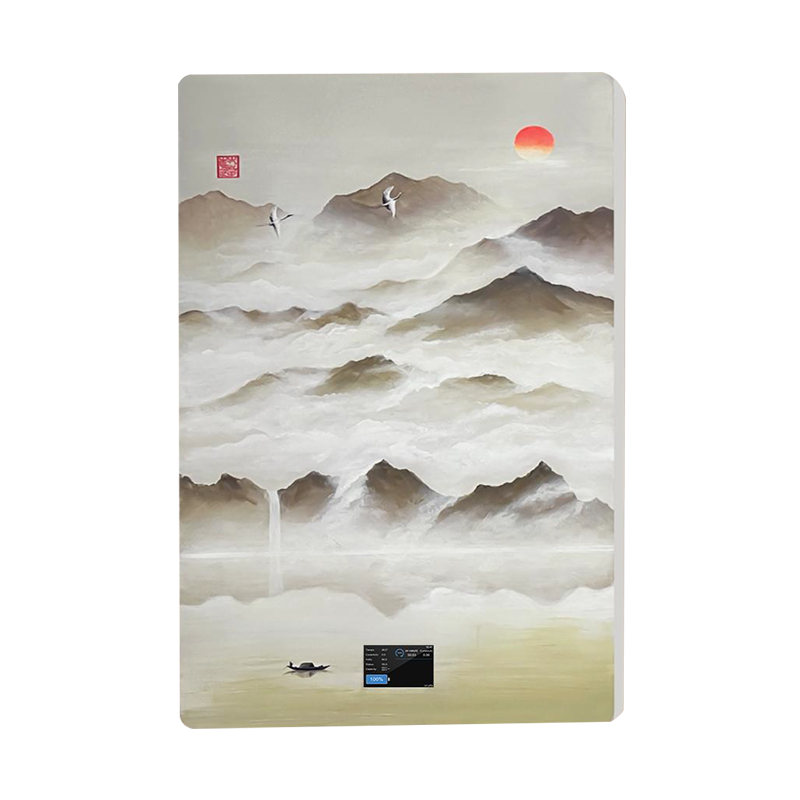
When planning for a Wall Mounted Lithium Energy Storage Battery, the layout should account for the actual dimensions and weight of the selected model. These details vary across product configurations, so installers should use the manufacturer's current drawings and specifications instead of relying on a general estimate.
The mounting surface also requires attention. Its suitability must be assessed against the battery's actual weight and the mounting method specified by the manufacturer. Wall construction, fixing points, and installation hardware should be reviewed before work begins. If the proposed surface cannot meet the applicable requirements, an alternative mounting arrangement may be necessary.
A battery rarely works as an isolated piece of equipment. In a solar energy storage system, it may need to connect with an inverter and other electrical components. Their relative positions influence cable routing, installation access, and the overall appearance of the equipment area.
Placing a Wall Mounted Lithium Energy Storage Battery near its associated equipment may simplify the layout, but the final arrangement must follow the electrical design and manufacturer instructions. Cable length, conductor sizing, connection requirements, and permitted installation distances should be confirmed for the specific system.
The layout should also make it possible for technicians to reach connection points without removing unrelated equipment. Where several devices share a wall, their arrangement should be planned as a complete installation rather than as a series of independent mounting decisions.
An installation can be physically compact yet difficult to maintain. If the battery is positioned behind other equipment or placed where connections are difficult to reach, routine inspection may take longer than necessary.
For a Wall Mounted Lithium Energy Storage Battery, service access should be considered alongside the initial mounting position. Technicians may need to inspect connections, read the display if fitted, or access designated service areas. The required clearance depends on the model and the manufacturer's installation instructions.
Ventilation and ambient conditions also deserve consideration. The installation location should remain within the battery's specified temperature and environmental limits. The required clearances, orientation, and any restrictions on enclosed spaces should be verified from the technical documentation rather than assumed to be the same for all wall-mounted batteries.
Cable routing is easier to coordinate before mounting work begins. Installers should identify the routes between the battery, inverter, and relevant distribution equipment, taking account of cable protection, access, and applicable electrical regulations.
A Wall Mounted Lithium Energy Storage Battery installation may require both power connections and communication wiring, depending on the system design. Their arrangement should follow the equipment diagrams and the specified connection methods. Power and communication cables should be routed in accordance with the manufacturer's instructions and local requirements.
Planning these routes in advance can reduce avoidable drilling, crossing cables, and adjustments after the equipment has been fixed in place. It also helps the installation team coordinate its work with other trades when the battery is part of a larger building project.
Wall-mounted batteries are available in different dimensions, capacities, and electrical configurations. A site prepared for one model may not suit another without changes to the mounting position or cable arrangement.
Before installation, the Wall Mounted Lithium Energy Storage Battery model should be confirmed against the project specification. The installer should check the product dimensions, weight, mounting instructions, electrical ratings, and required accessories. Any uncertainty about the wall structure or installation conditions should be resolved before work proceeds.
For overseas distributors supplying projects in different markets, this information is also useful when coordinating with local installers. Clear technical drawings and model-specific installation instructions help ensure that the proposed layout reflects the equipment actually being supplied.
A well-planned Wall Mounted Lithium Energy Storage Battery installation balances space use with structural suitability, electrical coordination, and service access. Wall-mounted construction can support a more organized equipment layout, but the result depends on how the battery fits the site and the wider energy system.
For project suppliers and installation teams, reviewing the mounting location, inverter arrangement, cable routes, and maintenance access before work begins provides a practical basis for installation. Following the selected model's technical requirements helps reduce avoidable site changes and supports a more orderly installation process.
Your email address will not be published. Required field are marked*


Call support 24/7 (Whatsapp)
+86 15988592807
Send us Email
[email protected]
Visit our location
Building 1, No. 21 Shengfa Road, Lucheng District, Wenzhou, Zhejiang, China



 中文简体
 Français
 عربى
