

The global shift toward sustainable energy solutions is accelerating at an exceptional pace, with residential solar panels emerging as a primary driver of this transformation. Homeowners across diverse markets are increasingly turning to rooftop photovoltaic systems as a means of reducing electricity costs, decreasing carbon footprints, and gaining greater energy independence. Industry data indicates that installations of solar panels have reached record levels in recent quarters, fueled by favorable policies, technological advancements, and growing consumer awareness of environmental issues.
Technological innovation has been instrumental in making solar panels more accessible and efficient than ever before. The efficiency of photovoltaic cells—the rate at which they convert sunlight into usable electricity—has improved steadily over the past decade. This means that modern solar panels can generate the same amount of power as older models while occupying less roof space, a crucial consideration for homes with limited exposure. Furthermore, advancements in energy storage technology have addressed one of the historical limitations of solar power: its intermittency. When paired with modern battery systems, solar panels can continue to power a home after the sun sets or during grid outages, providing true around-the-clock energy independence.
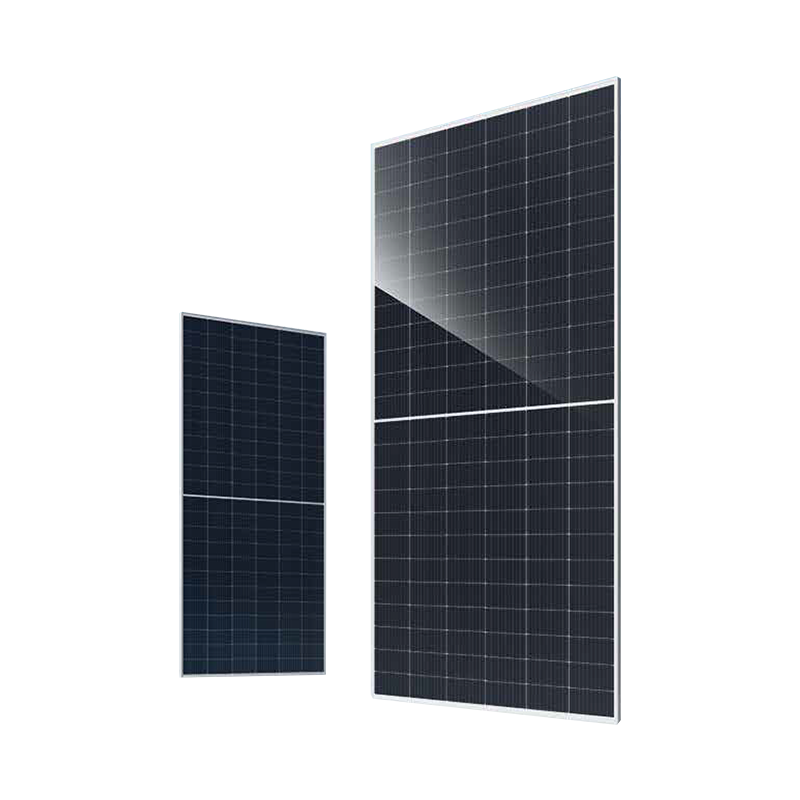
The aesthetic integration of solar panels into residential architecture has also seen significant improvement. Early adopters often had to accept bulky, conspicuous arrays that some considered visually unappealing. Today, homeowners can choose from a range of options designed to complement their property's appearance. Sleek, low-profile solar panels with black frames and dark cells blend more seamlessly with traditional roofing materials. For those seeking an even more discreet solution, solar shingles are now available that mimic the look of conventional roofing while generating electricity, effectively turning the entire roof into a power plant without compromising curb appeal.
Government incentives have played a crucial role in accelerating the adoption of solar panels across various markets. Tax credits, rebates, and other financial mechanisms reduce the upfront cost of installation, making solar accessible to a broader segment of the population. These policies reflect a growing recognition at all levels of government that distributed solar generation offers benefits that extend beyond individual households, including reduced strain on the electrical grid, lower emissions, and job creation in the clean energy sector.
Community solar programs have emerged as an innovative solution for households unable to install solar panels on their own properties. Renters, those with shaded roofs, and residents of multi-unit buildings can now subscribe to shared solar arrays located elsewhere, receiving credits on their electricity bills proportional to the power generated by their share. This democratization of solar access ensures that the benefits of renewable energy are available to all, regardless of housing situation.
As concerns about climate change continue to mount and energy costs remain volatile, the trajectory for solar panels points steadily upward. The combination of falling prices, improving technology, and supportive policies has created a virtuous cycle that shows no signs of slowing. For millions of homeowners, the decision to go solar represents not just an environmental statement but a practical, financially sound choice that pays dividends for decades to come.
Your email address will not be published. Required field are marked*

Call support 24/7 (Whatsapp)
+86 15988592807
Send us Email
[email protected]
Visit our location
Building 1, No. 21 Shengfa Road, Lucheng District, Wenzhou, Zhejiang, China



 中文简体
中文简体  Français
  عربى
عربى 