
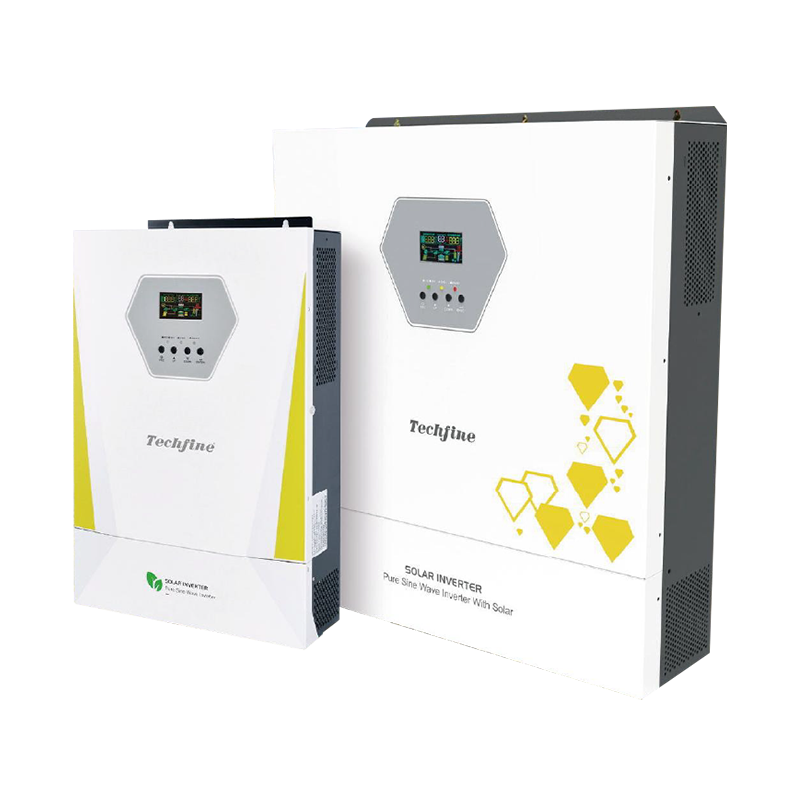
As residential and commercial solar installations continue to proliferate across global markets, attention is increasingly turning to a critical component that makes these systems functional: the solar inverter. While photovoltaic panels capture the sun's energy, it is the solar inverter that converts that energy into usable electricity, making it an indispensable element of any solar power system. Recent technological advances are transforming this once-overlooked device into a sophisticated hub for energy management, grid interaction, and home automation.
The fundamental role of the solar inverter has always been to convert the direct current electricity generated by solar panels into the alternating current used by household appliances and the electrical grid. However, modern inverters perform far more than this basic function. Today's devices serve as the intelligence center of the entire solar installation, monitoring system performance, detecting faults, and optimizing power output to ensure up to efficiency under varying conditions. This shift from passive converter to active system manager represents a significant evolution in solar technology.
Power optimizers represent a hybrid solution that has gained considerable traction. These devices are attached to each panel like microinverters, but they work in conjunction with a central string inverter. The optimizer conditions the direct current from each panel before sending it to the central unit for conversion. This approach captures much of the performance benefit of microinverters while potentially reducing overall system cost. The choice between these technologies depends on specific site conditions, budget considerations, and performance goals, giving consumers more options than ever before.
The integration of smart features has elevated the solar inverter from a simple electrical component to a connected device capable of sophisticated data analysis. Modern inverters typically include monitoring platforms accessible via smartphone applications or web portals, allowing system owners to track energy production in real time, identify potential issues before they become serious problems, and understand their consumption patterns. This transparency empowers consumers to make informed decisions about their energy use, shifting high-consumption activities to peak production hours and big the value of their solar investment.
Battery compatibility has emerged as a crucial consideration in solar inverter selection. As energy storage becomes more affordable and popular, homeowners increasingly seek systems that can store excess solar energy for use during evening hours or grid outages. Advanced hybrid inverters now incorporate seamless battery integration, managing the flow of electricity between panels, batteries, home loads, and the grid with small human intervention. These systems can automatically switch to backup power during outages, keeping critical loads operational even when the grid goes down.
Grid support functions represent another frontier in solar inverter evolution. Utilities increasingly rely on smart inverters to help maintain grid stability as renewable penetration increases. Modern inverters can respond to grid signals, adjusting power output to support voltage and frequency regulation. Some can even provide reactive power to help stabilize the grid during disturbances. This bidirectional communication transforms solar installations from passive generators into active participants in grid management, enhancing reliability for all electricity consumers.
As solar technology continues its rapid advance, the solar inverter stands at the intersection of generation, consumption, and grid interaction. Its evolution from simple converter to intelligent energy manager reflects the broader transformation of the electricity system toward distributed, renewable, and digitally connected infrastructure. For those investing in solar energy, understanding the capabilities and options in inverter technology has become as important as the panels themselves.
Your email address will not be published. Required field are marked*

Call support 24/7 (Whatsapp)
+86 15988592807
Send us Email
[email protected]
Visit our location
Building 1, No. 21 Shengfa Road, Lucheng District, Wenzhou, Zhejiang, China



 中文简体
中文简体  Français
  عربى
عربى 