
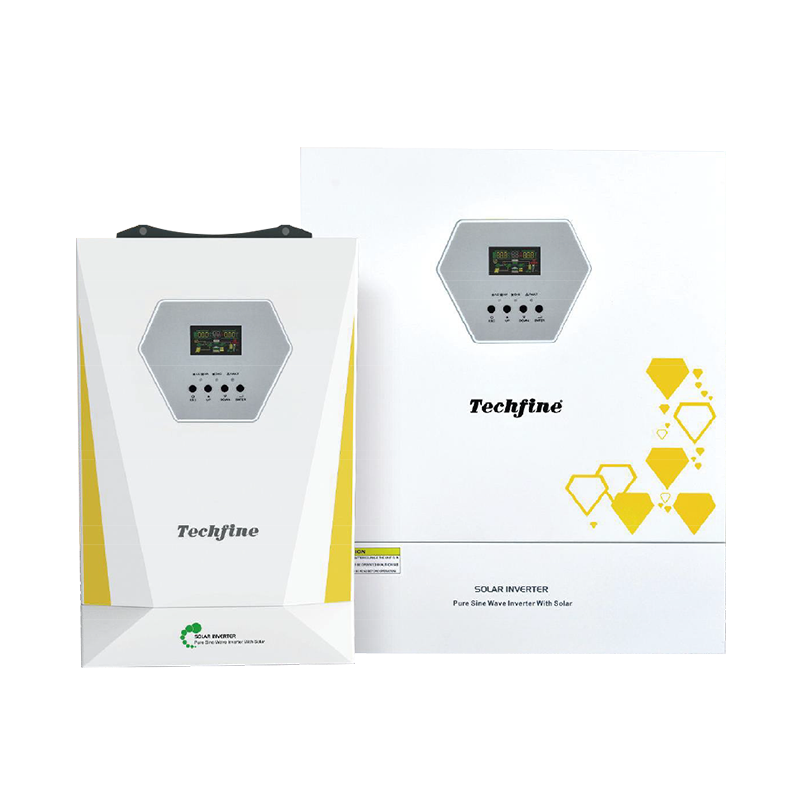
The solar inverter has become an essential component in residential and commercial photovoltaic systems. While solar panels capture energy from sunlight, the solar inverter performs the critical task of converting direct current into usable alternating current. Most household appliances and electrical grids operate on alternating current, making the solar inverter necessary for any solar array that connects to building wiring or the utility network. Without a functioning solar inverter, the electricity generated by solar panels would remain incompatible with standard outlets and devices. As more property owners invest in rooftop solar, the solar inverter has gained attention for its role in system performance and reliability.
The basic function of a solar inverter is straightforward, but modern units offer additional capabilities. A typical solar inverter monitors voltage and frequency to match grid conditions. When utility power fluctuates, the solar inverter adjusts its output accordingly. Many solar inverter models also track the big power point of the panel array, ensuring ideal energy harvest throughout changing daylight conditions. This feature, known as big power point tracking, allows the solar inverter to extract available energy even on cloudy or partially shaded days. Some versions of the solar inverter include data logging functions, recording daily and monthly production figures. Homeowners can access this information through display screens or mobile applications connected to their solar inverter.
Different types of solar inverter designs suit different installation scenarios. String solar inverter systems connect multiple panels in series, with one central unit handling conversion for the entire array. This configuration is common for residential rooftops with consistent sun exposure. Microinverters represent an alternative approach, where a small solar inverter attaches to each individual panel. Microinverter systems allow each panel to operate independently, so shading on one panel does not affect the others. Hybrid solar inverter models have also appeared, combining solar conversion with battery charging capabilities. These hybrid units allow excess solar energy to be stored for evening use rather than being sent back to the grid. The choice between these solar inverter types depends on site conditions, budget considerations, and owner preferences.
Durability has improved significantly in recent solar inverter designs. Early solar inverter units sometimes suffered from heat-related failures when installed in direct sunlight. Modern solar inverter enclosures feature better heat dissipation, with finned aluminum housings and forced air cooling in larger models. Many solar inverter units are rated for outdoor installation and can operate across a wide temperature range. The typical solar inverter carries a warranty period that often extends beyond ten years, reflecting manufacturer confidence in product longevity. Even so, users should note that the solar inverter generally has a shorter service life than solar panels. Planning for eventual solar inverter replacement is a normal part of long-term system ownership.
The solar inverter is expected to play a growing role in home energy management. As battery storage becomes more common, the hybrid solar inverter will likely see increased adoption. Smart solar inverter features, such as remote firmware updates and demand response capabilities, are already appearing in newer models. These advances allow the solar inverter to adapt to changing utility rate structures and grid conditions. For anyone considering a rooftop solar installation, selecting the right solar inverter remains an important decision that affects daily energy use and long-term satisfaction. A well-matched solar inverter helps ensure that the energy collected by solar panels translates into useful power for lights, appliances, and electronics.
Your email address will not be published. Required field are marked*

Call support 24/7 (Whatsapp)
+86 15988592807
Send us Email
[email protected]
Visit our location
Building 1, No. 21 Shengfa Road, Lucheng District, Wenzhou, Zhejiang, China



 中文简体
中文简体  Français
  عربى
عربى 