

Solar panels have become a common sight on residential rooftops and ground-mounted installations in many regions. A solar panel is a device that converts sunlight directly into electrical energy through photovoltaic cells. These cells are made from semiconductor materials, typically silicon, which release electrons when exposed to light. A standard solar panel contains 60 or 72 individual cells connected in series within a framed glass enclosure. The typical output of a residential solar panel ranges from 250 to 400 watts under full sun conditions. Multiple solar panels are wired together to form an array, which can produce enough electricity to power household appliances, lighting, and heating systems. The adoption of solar panels has increased steadily as production costs have decreased over the past decade.
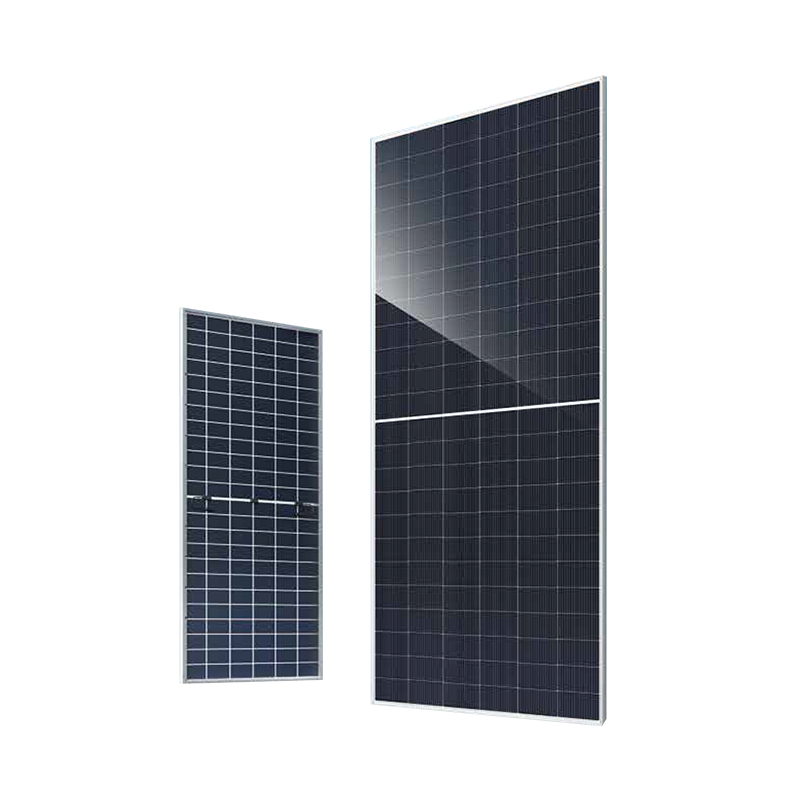
The construction of a solar panel involves several layers of materials. The top layer is tempered glass, which protects the cells while allowing light to pass through. Beneath the glass, a transparent encapsulant holds the solar panel cells in place and prevents moisture from entering. The cells themselves are the active part of the solar panel, where the conversion of light to electricity occurs. A backsheet made of polymer material seals the rear of the solar panel, providing electrical insulation and protection from weather. An aluminum frame surrounds the edges of the solar panel, giving it structural rigidity and providing mounting points for installation. A junction box on the back of the solar panel contains bypass diodes and connection points for wiring.
The efficiency of a solar panel refers to the percentage of sunlight energy that becomes electrical energy. commercially available solar panels have efficiency ratings between 15 and 22 percent. A solar panel with higher efficiency produces more electricity from the same surface area, which is useful when roof space is limited. The efficiency of a solar panel decreases slightly as its temperature rises, a characteristic known as the temperature coefficient. On a very hot day, a solar panel may produce 5 to 10 percent less power than on a cooler, sunny day. The performance of a solar panel also depends on the angle of the sunlight, with direct perpendicular exposure giving the high output. Shading on even a small portion of a solar panel can reduce the output of the entire panel due to how the cells are connected.
Maintenance requirements for solar panels are relatively low compared to other energy equipment. Dust and debris on the surface of a solar panel can reduce its output by 5 to 15 percent, depending on the local environment. Rain naturally cleans solar panels in areas with regular precipitation. In dry regions, occasional washing of solar panels with water and a soft brush may improve performance. Snow on a solar panel blocks light completely, but solar panels are mounted at an angle that allows snow to slide off as it melts. The electrical connections of a solar panel system should be inspected periodically for signs of corrosion or loosening. The expected operational life of a solar panel is 25 to 30 years, with manufacturers providing performance warranties that guarantee a certain output level over time. Solar panels represent a mature technology for generating electricity from a renewable source, and their continued deployment contributes to diversified energy supply in many countries.
Your email address will not be published. Required field are marked*

Call support 24/7 (Whatsapp)
+86 15988592807
Send us Email
[email protected]
Visit our location
Building 1, No. 21 Shengfa Road, Lucheng District, Wenzhou, Zhejiang, China



 中文简体
中文简体  Français
  عربى
عربى 