

The PV panel has become a common sight on rooftops and solar farms as renewable energy adoption continues to expand. Unlike thermal collectors that heat water, a PV panel converts sunlight directly into electricity through semiconductor materials. Homeowners and business operators have installed PV panel systems to reduce grid electricity purchases and lower energy costs. The declining price of PV panel components has made solar electricity accessible to more property owners. Manufacturers continue to produce PV panel units with improving efficiency and longer service life.
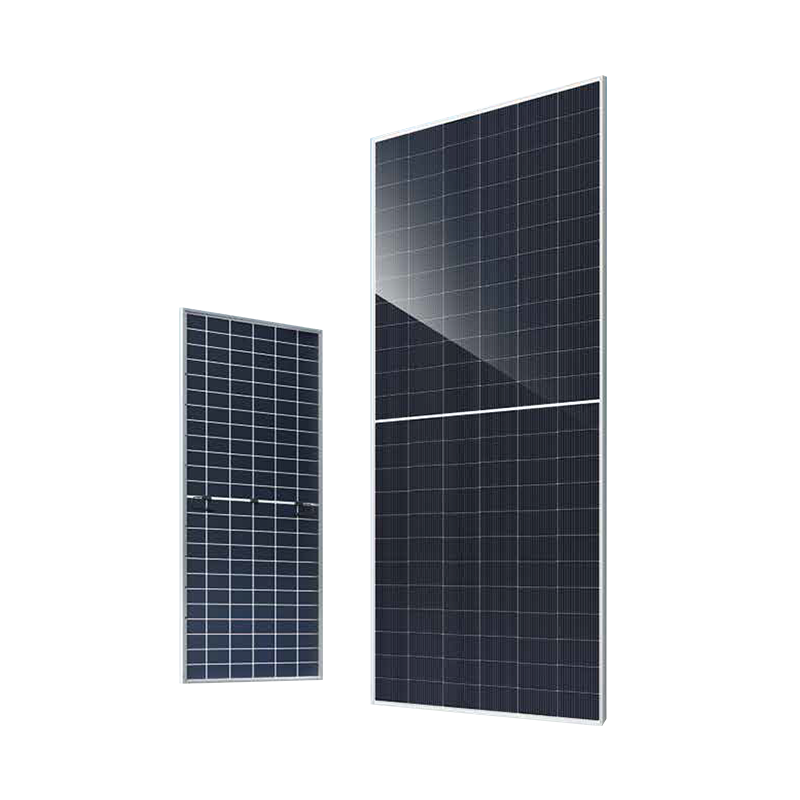
Construction of a PV panel involves multiple layers of specialized materials. The top layer of a PV panel consists of tempered glass that protects internal components from weather and impact. Encapsulant sheets within a PV panel bond the glass to the solar cells and prevent moisture ingress. The solar cells in a PV panel are typically made from crystalline silicon, either monocrystalline or polycrystalline. A backsheet on the rear of a PV panel provides electrical insulation and moisture barrier. An aluminum frame around a PV panel adds structural rigidity and mounting points for installation.
Efficiency ratings of a PV panel determine how much electricity a given area can produce. A standard polycrystalline PV panel converts 15 to 17 percent of sunlight into electrical power. A monocrystalline PV panel typically achieves 18 to 22 percent efficiency, requiring less roof space for the same output. The efficiency of a PV panel decreases slightly as cell temperature rises during sunny operation. A PV panel with higher efficiency costs more per watt but reduces mounting hardware requirements. The nameplate rating of a PV panel indicates output under standard test conditions of 25 degrees Celsius.
Performance degradation of a PV panel occurs gradually over decades of outdoor exposure. A quality PV panel loses approximately 0.5 to 0.8 percent of output per year of operation. After 25 years, a PV panel typically produces 80 to 85 percent of its original rated power. The degradation rate of a PV panel affects long-term financial returns for system owners. A PV panel with a lower degradation rate justifies a higher initial purchase price. Manufacturers warranty PV panel output to 80 to 85 percent after 25 years of service.
Temperature coefficient of a PV panel affects performance in hot climates. A PV panel with a lower temperature coefficient loses less output as cell temperature rises. Silicon PV panel cells typically lose 0.3 to 0.4 percent output per degree Celsius above standard conditions. A PV panel in direct sunlight may reach cell temperatures of 50 to 60 degrees Celsius. The voltage output of a PV panel decreases at higher temperatures, affecting system design. A well-ventilated PV panel installation maintains lower operating temperatures through airflow behind the array.
Mounting options for a PV panel include rooftop, ground-mounted, and carport configurations. A roof-mounted PV panel uses rails and clamps attached to structural rafters or metal standing seams. A ground-mounted PV panel system employs posts driven into soil or concrete ballast blocks. An adjustable angle mount for a PV panel allows tilt optimization for different seasons. A tracking system moves PV panel arrays to follow the sun across the sky. The orientation of a PV panel affects annual energy production more than tilt angle.
The PV panel will likely continue as the primary solar electricity technology. Advances in cell design may push PV panel efficiencies toward 30 percent in research settings. For property owners seeking to generate their own electricity, the PV panel offers a proven solution.
Your email address will not be published. Required field are marked*


Call support 24/7 (Whatsapp)
+86 15988592807
Send us Email
[email protected]
Visit our location
Building 1, No. 21 Shengfa Road, Lucheng District, Wenzhou, Zhejiang, China



 中文简体
中文简体  Français
  عربى
عربى 