

The global energy landscape is undergoing a profound transformation, with solar photovoltaic technology playing a central role in the shift toward sustainable electricity generation. The cornerstone of this technology is the PV Module, commonly known as the solar panel. As a self-contained unit that directly converts sunlight into electrical energy, the PV Module is the primary, scalable component deployed on rooftops, in solar farms, and integrated into building materials worldwide. Continuous advancements in the efficiency, durability, and economics of the PV Module are pivotal drivers for the expanding adoption of solar power, influencing everything from residential electricity bills to national energy strategies and corporate sustainability goals.
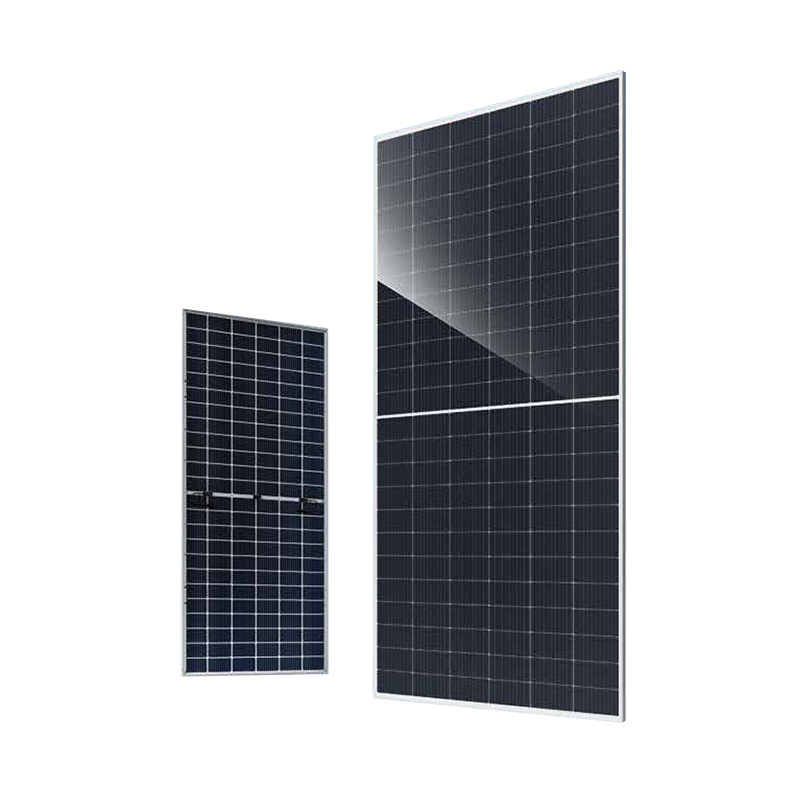
At its core, a standard PV Module is an assembly of interconnected photovoltaic cells, typically made from crystalline silicon. These cells, which are semiconductor devices, generate direct current (DC) electricity when exposed to sunlight through the photovoltaic effect. Multiple cells are wired together and laminated between a durable front glass sheet and a protective back sheet, all framed in aluminum for structural integrity. This encapsulation protects the fragile cells from environmental stress—rain, hail, wind, and temperature fluctuations—ensuring a operational lifespan that now regularly exceeds 25 years. The power rating of a PV Module, measured in watts-peak (Wp), indicates its electricity output under standard test conditions and has steadily increased over the years due to cell and manufacturing improvements, allowing for more power generation per unit of roof area.
The mainstream PV Module market is dominated by two crystalline silicon technologies: monocrystalline and polycrystalline. Monocrystalline PV Module products are made from single-crystal silicon, recognizable by their uniform dark color and rounded cell edges. They generally offer higher efficiency and better performance in high-temperature or low-light conditions but often come at a cost premium. Polycrystalline PV Module units, made from melted fragments of silicon, have a distinctive blue, speckled appearance and have traditionally offered a lower cost per watt, though with slightly lower efficiency. In recent years, the efficiency gap has narrowed, and monocrystalline technology has become the dominant choice for new installations due to overall value. Beyond these, thin-film PV Module technologies, such as those using cadmium telluride (CdTe) or copper indium gallium selenide (CIGS), offer advantages in weight, flexibility, and performance in diffuse light, finding use in large-scale utility projects and building-integrated applications.
The innovation trajectory for PV Module technology focuses on pushing efficiency boundaries, reducing material use, and exploring novel applications. Perovskite solar cells, often discussed in a tandem configuration with silicon cells, represent a promising frontier for potentially achieving significantly higher efficiencies in a PV Module. Bifacial PV Module designs, which can capture light reflected onto their rear side, are gaining adoption in ground-mount systems for their increased energy yield. Sustainability in manufacturing, including the use of recycled materials and designs for easier end-of-life recycling, is becoming a greater focus. As solar penetration deepens, the humble PV Module will continue to be the workhorse of the clean energy transition, with its ongoing evolution ensuring that solar power remains one of the lots of accessible, scalable, and cost-effective tools for decarbonizing the global electricity supply.
Your email address will not be published. Required field are marked*


Call support 24/7 (Whatsapp)
+86 15988592807
Send us Email
[email protected]
Visit our location
Building 1, No. 21 Shengfa Road, Lucheng District, Wenzhou, Zhejiang, China



 中文简体
中文简体  Français
  عربى
عربى 