

A utility-scale developer and a factory owner adding backup power to one site are both shopping for battery storage, but the specifications that matter to each buyer barely overlap. A container BESS energy storage system sold into commercial and industrial projects needs to satisfy site footprint constraints and grid interconnection rules that a smaller onsite battery never encounters, which is why the container format itself — not just the battery inside it — is part of what a buyer is actually evaluating.
Before reviewing battery chemistry or software, procurement teams typically start by confirming the physical footprint fits the site — which is why the container format is usually the earliest specification discussed on a container BESS energy storage system quote, ahead of capacity or pricing.
Packaging battery capacity into a standard 20ft or 40ft shipping container format simplifies transport, siting, and permitting compared to a custom-built enclosure, since the dimensions and structural specifications are already familiar to installers, inspectors, and logistics providers working across multiple project types. Sairifo's 1MWh 20ft/40ft container BESS energy storage system is built around this standard footprint specifically so site engineers can plan foundation and clearance requirements before the unit ships, rather than adjusting site plans after a custom enclosure arrives with different dimensions than quoted.
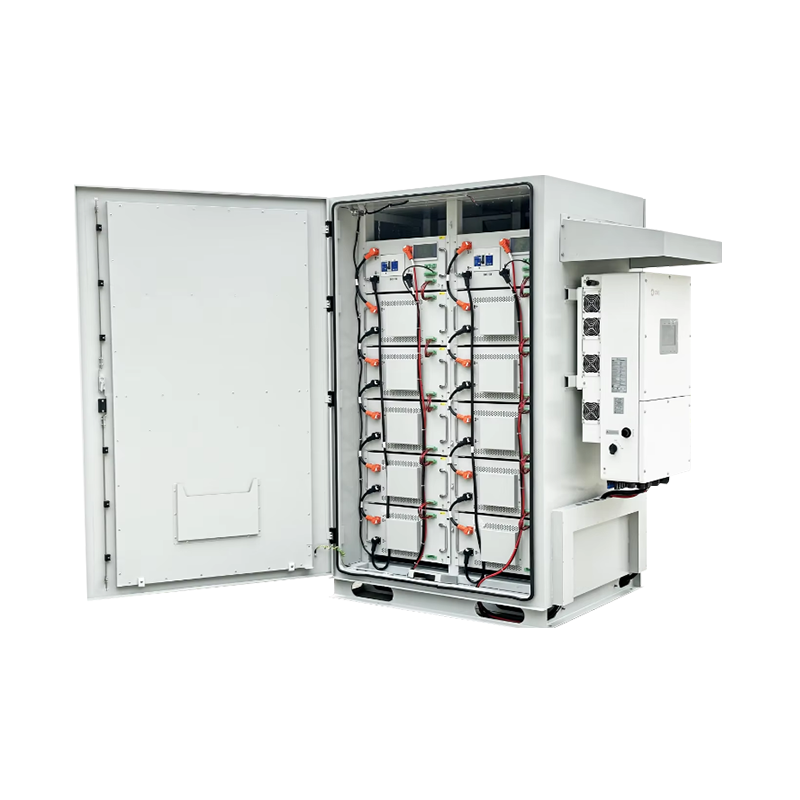
Battery performance and cycle life both depend on temperature control, and a container BESS energy storage system operating in a hot climate faces a different thermal load than one installed in a temperate site. Sairifo's container units use a liquid or forced-air cooling system sized to the battery capacity and expected ambient conditions at the installation site, since undersized cooling is one of the more common causes of accelerated battery degradation reported on poorly specified systems.
Grid-connected battery storage at container scale is subject to fire safety and electrical certification requirements that vary by jurisdiction, and a container BESS energy storage system intended for a specific market needs documentation matching that market's requirements before a project can pass local permitting review. Sairifo builds certification documentation into the production process for each destination market rather than treating it as a paperwork step added after manufacturing, which shortens the gap between delivery and commissioning for buyers working against a project timeline.
The battery management system inside the container handles cell balancing, charge and discharge control, and fault detection, and its software is often the component that determines how well a container BESS energy storage system performs once integrated with a site's existing power infrastructure rather than running as a standalone unit. Sairifo's battery management system reports state of charge, state of health, and fault conditions to a remote monitoring platform, giving site operators visibility into performance without requiring a technician on site for routine status checks.
Because the system ships as a complete container unit, installation at the destination site is largely limited to foundation preparation, electrical interconnection, and commissioning rather than on-site assembly of battery racks and enclosures. This shortens the installation timeline for a container BESS energy storage system compared to a site-built alternative, which matters for developers working against interconnection deadlines set by the local utility.
Procurement teams evaluating container BESS suppliers should request the cycle-life warranty terms, the cooling system specification relative to the installation site's climate, and confirmation of which certifications are included versus which the buyer needs to arrange separately, since gaps in certification scope are a common source of delay between delivery and commissioning on projects that assumed the supplier's standard package covered local requirements it did not.
Your email address will not be published. Required field are marked*


Call support 24/7 (Whatsapp)
+86 15988592807
Send us Email
[email protected]
Visit our location
Building 1, No. 21 Shengfa Road, Lucheng District, Wenzhou, Zhejiang, China



 中文简体
中文简体  Français
  عربى
عربى 