

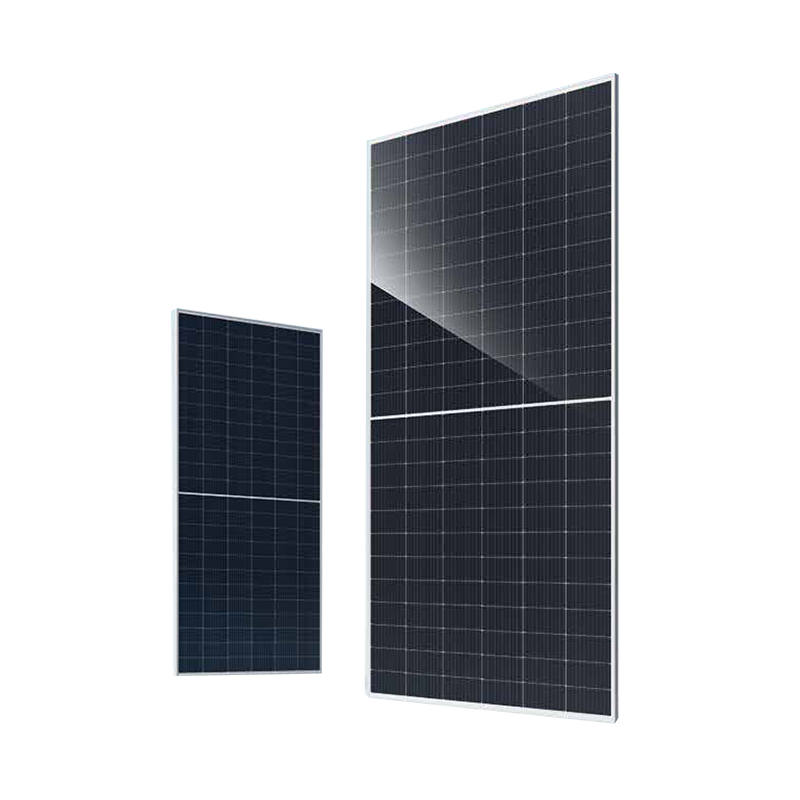
PV module has become a familiar sight on rooftops and in solar farms, as more homeowners and businesses look for ways to generate their own electricity from sunlight. A PV module, commonly called a solar panel, converts light directly into direct current electricity through layers of semiconductor material, typically silicon.
The basic building block of a PV module is the solar cell. Individual cells produce a relatively small amount of power, so manufacturers connect many cells together within a single module. A typical residential PV module contains 60 or 72 cells, producing between 250 and 400 watts under full sun. Several modules connected together form an array, which can power a home, charge batteries, or send electricity back to the grid.
PV module technology has improved steadily over the past decade. Older modules converted about 12 to 15 percent of incoming sunlight into electricity. Newer designs reach conversion rates above 20 percent for many standard products. This improvement means that a modern PV module can produce the same amount of power from a smaller area, which benefits homeowners with limited roof space.
Two main types of PV module dominate the market. Monocrystalline modules use single-crystal silicon cells, which appear dark black and have rounded corners. These modules generally offer higher efficiency and perform slightly better in low-light conditions. Polycrystalline modules use cells made from multiple silicon crystals, giving them a blue, speckled appearance. They cost less to produce but typically have slightly lower efficiency ratings.
Durability matters greatly for a PV module, as these devices sit outdoors for twenty years or more. A quality PV module undergoes testing for hail resistance, wind load, and temperature cycling. The glass front cover must resist cracking from impact, while the back sheet protects against moisture intrusion. The aluminum frame provides structural support and mounting points. Many PV modules carry warranties that guarantee a certain percentage of power output after 25 years.
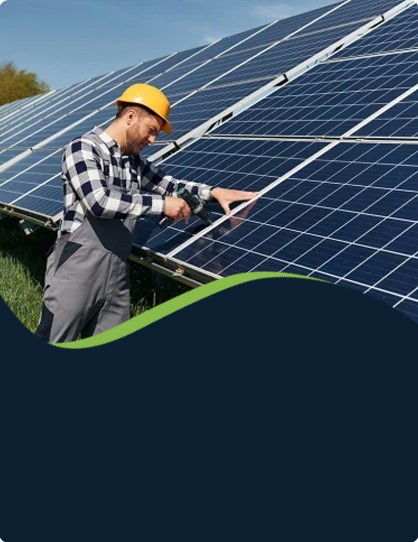
Installation requires careful planning. A PV module works ideal when facing the sun directly, so installers consider roof orientation, tilt angle, and potential shading from trees or nearby buildings. South-facing roofs in the northern hemisphere receive the greatest total sunlight over a year. East and west-facing arrays produce less total energy but may generate more power during morning or evening hours when electricity demand is higher.
Temperature affects PV module performance in a way that surprises some owners. A PV module actually produces less electricity as its temperature rises. On a very hot summer day, the module surface may reach temperatures that reduce output by 10 to 15 percent compared to a cool, sunny spring day. This characteristic explains why solar power systems sometimes produce less on very hot days despite abundant sunlight.
Recycling of PV modules has gained attention as early installations reach the end of their useful life. The glass, aluminum frames, and some semiconductor materials can be recovered and reused. Several recycling facilities now accept old PV modules, though the process remains more expensive than landfilling in some regions. Industry groups are working to make recycling more accessible and cost-effective.
As electricity prices vary and concerns about energy independence grow, the PV module offers a practical option for generating power at the point of use. It has no moving parts to wear out, requires small attention once installed, and converts a free resource into usable electricity every day the sun shines.
Your email address will not be published. Required field are marked*

Call support 24/7 (Whatsapp)
+86 15988592807
Send us Email
[email protected]
Visit our location
Building 1, No. 21 Shengfa Road, Lucheng District, Wenzhou, Zhejiang, China



 中文简体
中文简体  Français
  عربى
عربى 